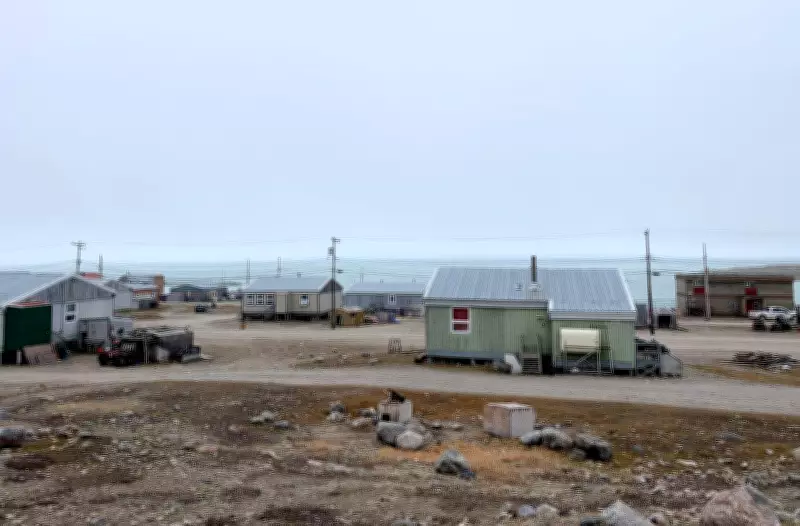
Canadian Rangers Mobilized to Address Critical Power Issues in Remote Nunavut Community
In a decisive move to address a mounting infrastructure emergency, the federal government has officially approved the deployment of the Canadian Rangers to provide crucial assistance to the hamlet of Gjoa Haven in Nunavut. This authorization comes as the isolated Arctic community grapples with severe and persistent power problems that threaten the safety and well-being of its residents.
Emergency Response Activated for Northern Hamlet
The Minister of National Defence has sanctioned the intervention following urgent requests from local authorities in Nunavut. Gjoa Haven, a remote settlement with a population of approximately 1,300 people, has been experiencing significant electrical failures and power shortages. These disruptions have compromised essential services, including heating, lighting, and communication systems, particularly during the harsh Arctic winter conditions.
The Canadian Rangers, a component of the Canadian Armed Forces Reserve, are uniquely positioned to respond to such crises in the North. Comprised largely of Indigenous and local members, the Rangers possess specialized knowledge of the terrain, climate, and logistical challenges inherent to operating in Canada's Arctic regions. Their deployment is expected to focus on immediate stabilization efforts, such as supporting power generation, conducting welfare checks on vulnerable residents, and assisting with the transportation of critical supplies and equipment.

Addressing Long-Standing Infrastructure Vulnerabilities
This emergency highlights the ongoing infrastructure vulnerabilities faced by many remote Northern communities. Gjoa Haven, like numerous other hamlets in Nunavut, relies on aging diesel-powered generators for electricity, systems that are often susceptible to failure and extremely costly to maintain and fuel. The current crisis underscores the pressing need for more reliable and sustainable energy solutions in the Arctic.
"The situation in Gjoa Haven is a stark reminder of the infrastructure gap in Canada's North," noted an official familiar with the deployment. "While the Rangers' presence will provide immediate relief, it also brings attention to the necessity of long-term investments in resilient energy grids and community infrastructure for these isolated populations."
The Rangers' tasks may include:
- Assessing the extent of the power system damages and failures.
- Providing technical support for emergency repairs to generators and distribution lines.
- Ensuring the safe operation of backup power sources for community buildings.
- Coordinating with local hamlet officials and Nunavut's territorial government.
A Model for Civil-Military Cooperation in the Arctic
This deployment exemplifies the Canadian Rangers' primary role in providing a military presence and conducting sovereignty patrols, surveillance, and domestic operations in sparsely settled Northern, coastal, and isolated areas of Canada. Their deep community ties and expertise make them an indispensable asset for disaster response and community support in regions where conventional military or emergency services face significant access challenges.
The federal government has emphasized that this is a support mission, with the Rangers working under the direction of and in partnership with the local hamlet council and the Government of Nunavut. The duration of the deployment will be determined by the time required to restore stable power and ensure the community's immediate needs are met. This intervention follows a pattern of the Rangers being called upon for similar domestic assistance, from search and rescue operations to providing aid during natural disasters and public health emergencies in remote locales.
As the Rangers mobilize, residents of Gjoa Haven and observers across the territory hope this crisis will catalyze broader discussions and commitments to modernizing Northern infrastructure, reducing dependence on volatile diesel fuel, and building greater community resilience against the escalating challenges posed by climate change and logistical isolation in the Arctic.