Canada's 2026 Wildfire Season: A Comprehensive Outlook on Risks and Readiness
With the 2026 wildfire season on the horizon, Canada is bracing for another potentially intense period of forest fires, driven by climate change and evolving environmental conditions. Experts are closely monitoring factors that could influence the severity and frequency of wildfires across the country, particularly in regions historically prone to such disasters.
Current Predictions and Climate Influences
Meteorological data and climate models suggest that the 2026 season may see an increase in wildfire activity due to warmer temperatures and drier conditions in many parts of Canada. Environment Canada is leveraging advanced technologies, including artificial intelligence, to enhance weather forecasting and improve early warning systems. This proactive approach aims to provide more accurate predictions of fire-prone weather patterns, helping communities prepare better.
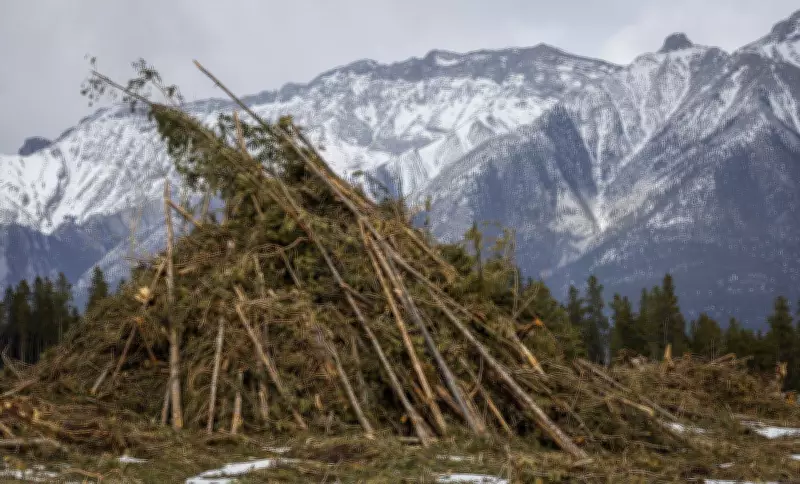
In Alberta, for instance, mitigation steps are already underway. As seen in Canmore, burn piles of trees from clear-cut fire breaks are being utilized as part of broader wildfire prevention strategies. These efforts are critical in reducing fuel loads and creating defensible spaces around vulnerable areas.

Community and Government Preparedness
Local governments and environmental agencies are ramping up preparedness measures to safeguard communities. This includes:
- Implementing stricter fire bans and regulations during high-risk periods.
- Investing in firefighting resources and training for emergency responders.
- Promoting public awareness campaigns on fire safety and evacuation procedures.
Additionally, policies focused on sustainable forest management and environmental justice are being emphasized to address the root causes of increased wildfire risks. The integration of green technologies and renewable energy sources is also seen as a long-term strategy to mitigate climate impacts.
Broader Environmental Context
The 2026 wildfire season is not an isolated event but part of a larger trend linked to global climate change. Scientists point to factors such as:
- Rising average temperatures leading to prolonged dry spells.
- Changes in precipitation patterns affecting forest health.
- Increased frequency of extreme weather events, including heatwaves and storms.
These elements combine to create conditions conducive to more frequent and severe wildfires, underscoring the need for comprehensive environmental policies and international cooperation on climate action.
As Canada moves forward, the focus remains on balancing immediate response capabilities with long-term sustainability goals. The lessons learned from previous seasons, coupled with technological advancements, are shaping a more resilient approach to wildfire management in 2026 and beyond.