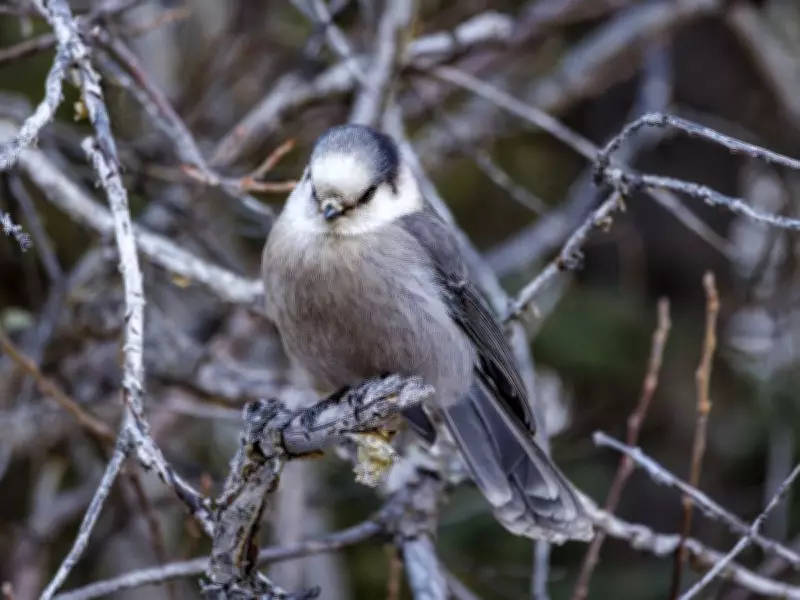
The Case for the Canada Jay as Canada's National Bird
In a compelling argument for national symbolism, the Canada jay emerges as a far superior choice for Canada's national bird compared to the often troublesome Canada goose. This debate, highlighted by recent discussions in the Canadian Senate, centers on the birds' characteristics and their alignment with Canadian values.
Remarkable Resilience of the Canada Jay
The Canada jay, also affectionately known as the whiskey jack, showcases extraordinary adaptability to Canada's harsh climate. This bird hatches its eggs in temperatures as low as -25 degrees Celsius, demonstrating incredible hardiness. Unlike many migratory species, it remains in Canada throughout the winter, surviving the cold, dark months by storing excess food collected during summer. It uses its own saliva to stick food to the underside of tree branches, a unique survival strategy that underscores its resourcefulness.
Typically about the size of an American robin, the Canada jay features a pale grey belly, darker grey back and wings, and a grey-white head with a dark grey nape. Its pleasant chirpy warble is a familiar sound to hikers and campers in Canada's boreal forests, adding to its charm and connection to the wilderness.

Endorsement from Bird Experts
David Browne, senior vice-president of Birds Canada, has praised the Canada jay as "intelligent, adaptable, hardy, incredibly endearing and emblematic of our northern wilderness." This endorsement highlights the bird's symbolic potential, with its largest concentrations found in northern forests and higher elevations in mountain ranges, making it a true representative of Canada's natural landscapes.
The Problematic Nature of the Canada Goose
In contrast, the Canada goose, while majestic in flight with its V-shaped flocks and iconic honking that signals seasonal changes, presents significant drawbacks. It is often described as a miserable bird due to its aggressive behavior, hissing, and prolific droppings. Farmers report losses of up to 25 percent of their crop's value when flocks land in fields, devouring crops like winter wheat.
Goose feces befoul public parks, picnic sites, campgrounds, and waterways, creating health hazards. For instance, streams can become contaminated during migration seasons, leading to warnings against drinking water. Additionally, mother geese are known for aggressive attacks near their nests, earning them the nickname "cobra chicken" in humorous anecdotes.
Friendly Interactions with Humans
The Canada jay's behavior further cements its appeal. These birds have been observed flying down to pick up crumbs from picnic tables while humans are still present, and they occasionally land on a person's finger to take nuts or raisins. This friendly and curious nature contrasts sharply with the goose's hostility, making the jay a more welcoming symbol.
Context of Canadian National Symbols
Canada already has established national symbols, including hockey as the national winter sport, lacrosse as the national summer sport, the maple as the national tree, red and white as official colors, and the beaver as the national animal. Adding the Canada jay as the national bird would complement this suite of symbols, representing resilience, wilderness, and amicability.
As discussions continue, the Canada jay stands out not only for its ecological adaptations but also for its positive interactions with people and environments, positioning it as an ideal candidate to symbolize the nation's spirit and natural heritage.