Can Trees Explode in Extreme Cold? Experts Break Down the Science
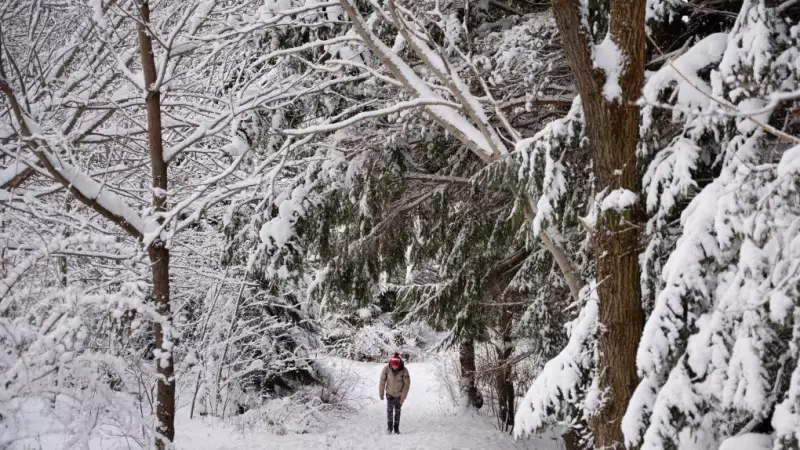
As a deep freeze blankets much of Canada, bringing temperatures plunging well below zero, a curious question arises among residents: can trees actually explode in such extreme cold? While it may sound like a myth or an exaggeration, experts confirm that this rare phenomenon is indeed rooted in scientific reality. The dramatic event, though uncommon, occurs under specific conditions that combine severe cold with particular tree characteristics.
The Science Behind the Splitting and Popping
According to arborists and forestry scientists, the process that can lead to trees splitting or even appearing to "explode" is primarily driven by the expansion of water as it freezes. Trees contain significant amounts of water within their cells and vascular systems. When temperatures drop rapidly to extreme lows, this water freezes and expands, creating immense internal pressure.
This pressure can become so great that it exceeds the structural integrity of the tree's wood, particularly in species with less flexible bark or those already weakened by disease, age, or previous damage. The result is often a loud cracking or popping sound, followed by the tree splitting open along its trunk or major branches. In some dramatic instances, the force can cause sections of wood to be forcefully ejected, resembling an explosion.

Conditions That Increase the Risk
Not all trees are equally susceptible. Experts note several factors that elevate the risk:
- Rapid Temperature Drops: A sudden plunge from mild to severely sub-zero temperatures is more dangerous than a gradual cooling, as it gives trees less time to adjust.
- High Moisture Content: Trees that are saturated with water from recent rain or snowmelt are at greater risk because they have more water to freeze and expand.
- Tree Species and Health: Certain species, like some maples and poplars, may be more prone. Older, diseased, or already damaged trees are also more vulnerable.
- Existing Frost Cracks: Trees with previous frost cracks are weak points where new splits can propagate more easily.
A Rare but Documented Phenomenon
While terrifying to witness, these events are relatively rare in healthy forests. They are more frequently reported in urban settings or managed woodlands where trees might be under additional stress. The sounds associated with freezing trees—often described as gunshot-like cracks or loud pops—are more common during cold snaps and are a normal part of a tree's response to freezing, even when no catastrophic failure occurs.
For homeowners and forest managers, the best prevention is maintaining tree health through proper care and monitoring for signs of weakness, especially before the onset of deep winter. In regions experiencing the current extreme cold warnings across Ontario, Quebec, and the Maritimes, it's a timely reminder of the powerful forces at play in our natural environment during Canada's harsh winters.