Calgary Airport's Annual Glycol Thaw Creates Pungent Spring Odor Crisis
Residents in northeast communities adjacent to Calgary International Airport are grappling with an intense, pervasive odor that permeates their neighborhoods each spring, compelling many to remain indoors and seek creative solutions to shield their homes from the unpleasant smell.
De-Icer Ponds Thaw, Releasing Sulfur-Like Aroma
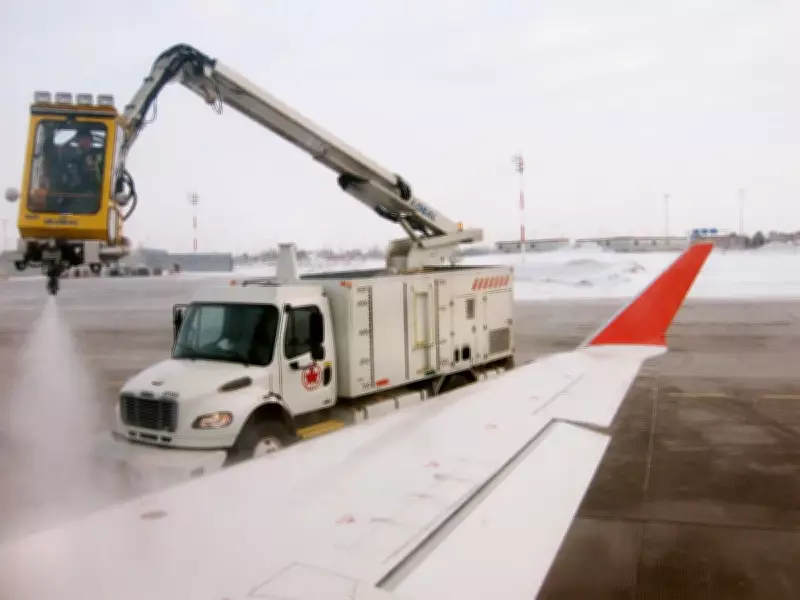
Each year, airport personnel utilize glycol to de-ice aircraft during winter operations. This chemical is subsequently collected in designated storm water ponds situated near the airport facility. As temperatures rise with the arrival of spring, these ponds thaw, emitting a distinctive sulfur-like odor that closely resembles the scent of natural gas or propane leaks.
Fire Department Inundated with Emergency Calls
While the odor poses no direct danger to public health, its potency has triggered a significant surge in complaints and concerns directed at the Calgary Fire Department. According to an official news release issued on Thursday, fire crews have been fielding between 20 to 60 calls daily related to airport odor concerns since March.

The situation escalated notably on April 6, when one fire crew responded to an astonishing 15 calls during a single shift. This volume of non-emergency reports strains fire service resources, raising alarms about the department's capacity to maintain consistent response times for genuine emergencies.
"This can drain fire service resources in those areas, causing concern about our ability to provide consistent response times for other calls," emphasized Fire Chief Steve Dongworth in the release.
Residents Struggle with Persistent Odor Intrusion
Community members report that the rotten egg-like smell infiltrates their homes and lingers in the outdoor air, significantly impacting daily life. Aashish Dhillon, a Martindale resident, describes encountering the odor each morning when leaving for work.
"I have to keep my car windows rolled up even when it's nice outside," Dhillon lamented, highlighting the extent to which the smell affects routine activities.
Ravi Agarwal, another local resident, shared how his family has adapted to the situation. "My kids will go out to play and come back inside quickly complaining that it is smelling really bad outside," he said. "My wife has started burning candles in our hallway because she is worried that the smell will come inside our home."
Some individuals have resorted to burning candles indoors or using air fresheners in their vehicles to counteract the odor. In Redstone, a neighborhood located further north of the airport, residents note that the smell occurs intermittently and with less intensity, though it remains detectable on particularly warm days.
Public Confusion and Fire Department Guidance
The similarity between the glycol odor and gas leaks has led to widespread confusion among residents. Jasmin Mendoza recounted smelling something "off" while waiting at a bus stop, initially attributing it to new plant fertilizer. Hassan Raza, who experiences persistent nasal congestion, hasn't personally detected the smell but has heard numerous complaints from friends and relatives about a "bad smell" in the air.
In response to the influx of calls, the Calgary Fire Department has issued specific guidance to the public. The release advises residents living near the airport to "consider the nearby source of outdoor odours before calling 911." However, officials continue to urge people to call emergency services if they have genuine concerns about natural gas or propane leaks, especially when indoors or at commercial establishments.
Hope on the Horizon with Infrastructure Improvements
There may be relief in sight for affected communities. The airport has announced plans to complete infrastructure improvements by 2027 that are expected to mitigate the odor issue. This development suggests that this spring could potentially be the last season during which residents must endure the pungent aroma as part of their annual transition into warmer weather.

The situation underscores the complex interplay between industrial operations, environmental factors, and community wellbeing, highlighting how seasonal changes can unexpectedly burden public safety resources and disrupt neighborhood life.