Water Security Agency Predicts Below-Normal Spring Runoff for Most of Saskatchewan
The Water Security Agency (WSA) has released its spring runoff forecast, indicating that most regions of Saskatchewan can expect near- to below-normal runoff levels this season. This assessment comes as snow cover continues to persist across central and northern parts of the province, while melt conditions have advanced further south.
Regional Variations in Snow Melt
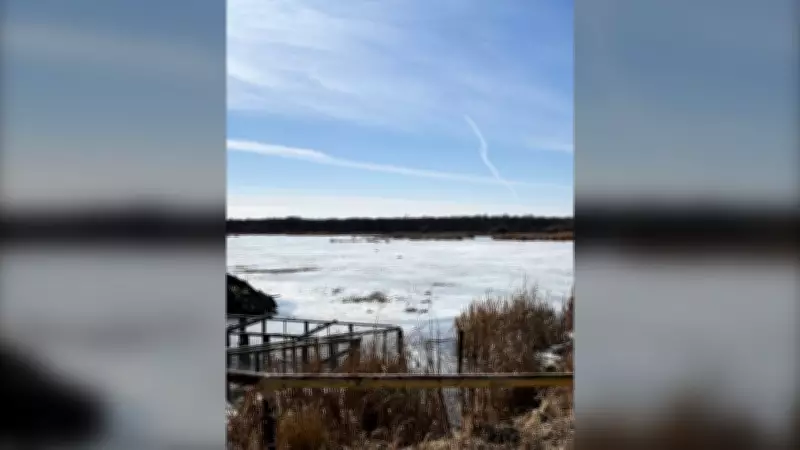
According to the WSA, the disparity in snowpack conditions across Saskatchewan is notable. Central and northern areas are still experiencing significant snow cover, which could delay runoff in those regions. In contrast, southern Saskatchewan has seen more rapid snow melt, leading to earlier runoff events. This geographical variation highlights the complex hydrological patterns affecting the province this spring.
Implications for Flood Risk and Water Management
The forecast of below-normal runoff has important implications for flood risk and water resource management. While reduced runoff may lower the potential for widespread flooding, it also raises concerns about water availability for agriculture, ecosystems, and communities. The WSA emphasizes the need for ongoing monitoring as conditions evolve, particularly in areas with persistent snow cover that could contribute to localized flooding if rapid melting occurs.

Key points from the WSA report include:
- Snow cover remains substantial in central and northern Saskatchewan.
- Melt conditions are more advanced in southern regions.
- Overall runoff is projected to be near or below normal for most areas.
- Continued vigilance is advised due to potential for sudden changes in weather patterns.
Context and Broader Environmental Trends
This forecast aligns with broader environmental observations in Saskatchewan, where climate variability often influences spring runoff. The WSA's data contributes to a growing body of knowledge on water security in the province, informing decisions for farmers, municipalities, and emergency responders. As spring progresses, updates from the agency will be crucial for adapting to any shifts in runoff patterns.
In summary, the Water Security Agency's spring runoff outlook suggests a season of near- to below-normal water flow for most of Saskatchewan, driven by regional differences in snow melt. Stakeholders are encouraged to stay informed through WSA updates to manage water resources effectively and mitigate any emerging risks.