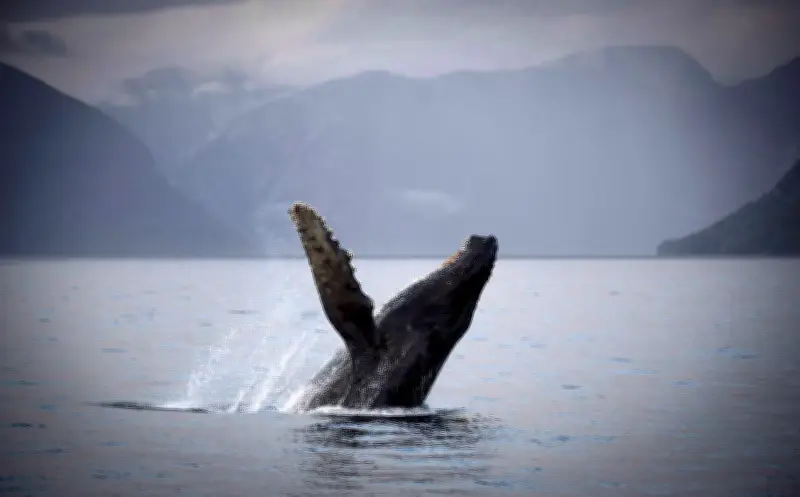
British Columbia's coastal waters have become a premier destination for whale sightings, thanks to abundant food sources and successful conservation measures. The region now offers some of the best whale-watching opportunities in the world.
Abundant Food Sources Attract Whales
The increase in whale sightings is largely attributed to the plentiful supply of krill, herring, and other prey species. These food sources have drawn various whale species, including humpbacks, orcas, and gray whales, closer to shore and in greater numbers.
According to marine biologists, the resurgence of forage fish and zooplankton is a direct result of improved ocean health and reduced pollution. The waters of the Great Bear Rainforest and around Hartley Bay have become particularly notable hot spots.

Conservation Efforts Pay Off
Decades of conservation initiatives have played a crucial role in protecting whale habitats. Regulations on shipping lanes, fishing practices, and noise pollution have helped create a safer environment for marine mammals. The establishment of marine protected areas has also contributed to the recovery of whale populations.
“We are seeing the fruits of long-term conservation work,” said a spokesperson for the Pacific Whale Watch Association. “The whales are thriving, and so is the ecotourism industry that depends on them.”
Economic and Ecological Impact
The surge in whale sightings has boosted local economies, with whale-watching tours reporting record numbers of visitors. Communities along the coast have seen increased tourism revenue, creating jobs and supporting small businesses.
Ecologically, the presence of whales indicates a healthy marine ecosystem. Whales play a vital role in nutrient cycling and carbon sequestration, contributing to overall ocean productivity.
Challenges Remain
Despite the positive trends, challenges persist. Climate change continues to affect ocean temperatures and prey availability, while vessel traffic and underwater noise remain threats. Conservationists emphasize the need for ongoing monitoring and adaptive management to sustain these gains.
“We cannot become complacent,” warned a scientist from the University of British Columbia. “Continued protection and research are essential to ensure that B.C. waters remain a haven for whales.”