B.C.'s Average Snowpack Masks a Stark Regional Divide, Provincial Report Reveals
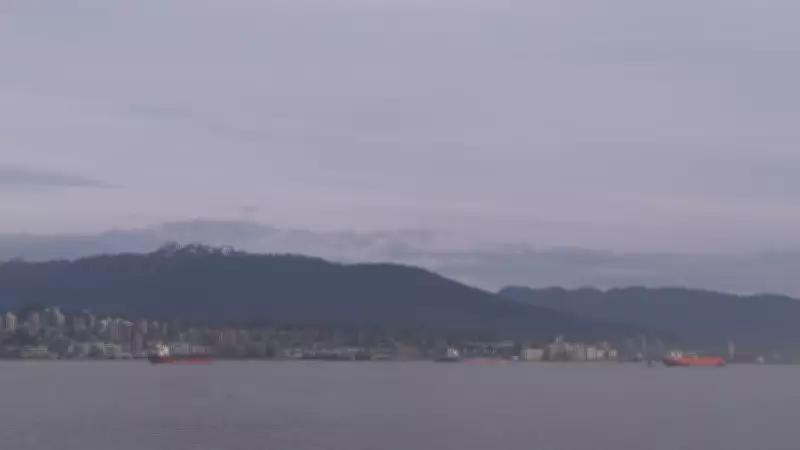
A recent provincial bulletin from British Columbia has issued a critical warning: the province's average snowpack measurements are masking what officials describe as a "strong regional divide." This comes as Metro Vancouver's North Shore mountains displayed hardly any snow during unseasonably warm weather in February 2026, a visual starkly contrasting with broader provincial averages.
The Data Behind the Disparity
While overall snowpack levels across British Columbia might appear stable or near-average in statistical reports, the bulletin emphasizes that these figures can be misleading. They aggregate data from diverse regions, potentially obscuring severe deficits in specific areas, particularly in coastal and lower-elevation zones like the North Shore.
The observed conditions in February 2026 serve as a potent example. The lack of snowpack in Metro Vancouver during a period typically associated with accumulation raises immediate concerns for water security, summer drought risks, and ecosystem health in those regions.

Implications for Water Resources and Climate
This regional divide has profound implications. A healthy, melting snowpack is a crucial natural reservoir, feeding rivers and streams throughout the spring and summer. Significant shortfalls in key areas can lead to:
- Reduced freshwater availability for communities, agriculture, and industry.
- Increased vulnerability to wildfires due to drier conditions.
- Stress on aquatic habitats and fish populations.
The bulletin's findings add to a growing body of evidence linking irregular precipitation patterns and reduced snowpack to broader climate change trends. Warmer winter temperatures are causing more precipitation to fall as rain rather than snow, especially at lower elevations, directly impacting snow accumulation.
A Call for Regional Analysis
The provincial report effectively serves as a call to move beyond province-wide averages. It underscores the necessity for granular, region-specific monitoring and planning. Policymakers, water managers, and communities are urged to consider local snowpack data to accurately assess risks and prepare for potential water shortages or other climate-related challenges.
As British Columbia continues to experience the effects of a changing climate, understanding these regional disparities in snowpack—and the environmental realities they represent—becomes increasingly vital for sustainable resource management and community resilience.