British Columbia Faces Severe Snowpack Crisis in Populated Coastal Regions
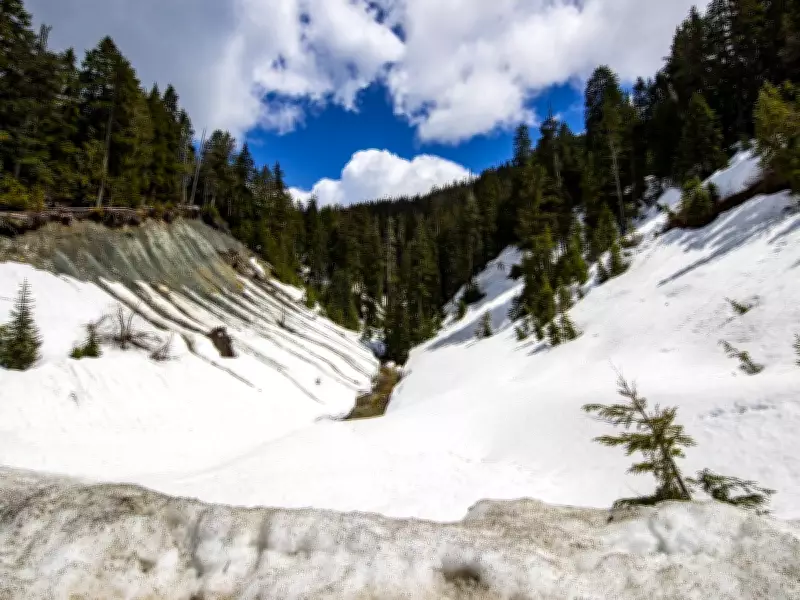
Snowpack levels across southern and coastal British Columbia have plummeted to some of the lowest recorded in decades, according to the latest provincial snow survey. This alarming situation presents a stark contrast to other regions of the province that are experiencing near-record high accumulations.
A Stark Regional Divide in Snow Accumulation
The April 1 survey conducted by the River Forecast Centre reveals an extreme geographical disparity. Measurements range from a critically low 26 percent of normal in the Skagit area to an exceptionally high 146 percent in the Nechako and Peace regions. Hydrologist Jonathan Boyd from the River Forecast Centre described the pattern as highly unusual, noting the simultaneous occurrence of numerous extreme highs and lows across monitoring stations.
"It's really quite unusual to have so many stations reporting so high and so many reporting so low," Boyd emphasized. The data shows that approximately a quarter of all snow stations are in the highest percentile band, while another quarter are at the absolute lowest percentile band, with five stations confirming record lows.

Most Populated Areas Bear the Brunt
The snowpack deficit is concentrated in many of British Columbia's most densely populated regions, raising significant concerns for water security and summer resource management. Vancouver Island's snowpack stands at just 44 percent of normal, representing one of the lowest levels in the entire province.
The South Coast basin, which includes the North Shore mountains and serves as the primary source for Metro Vancouver's drinking water, measures only 57 percent of normal. Meanwhile, the Okanagan region has recorded 58 percent of normal, breaking a previous low set back in 1981.
"It hasn't been lost on me that the population centers—Vancouver Island, the Lower Mainland, and the Okanagan—are the areas that have come in the lowest," Boyd observed. "Several stations in the Okanagan and South Coast have recorded near or all-time low snow-water equivalent, and that really highlights the severity of what we're seeing at lower elevations in these regions."
Implications for Summer Water Supply and Wildfire Risk
The diminished snowpack directly translates to reduced water availability, increasing the potential for drought conditions throughout the summer months. Boyd warned that this water shortage is often associated with elevated wildfire risks, creating a dual threat for affected communities.
In response to these concerning conditions, Metro Vancouver has already announced the implementation of watering restrictions. The region's water reservoirs depend heavily on snowpack melt for replenishment, and with current levels well below normal, conservation measures have become necessary. Metro Vancouver typically consumes an average of one billion liters of drinking water daily—enough to fill BC Place stadium.
Climate Patterns Behind the Snowpack Deficit
Weather patterns during the winter months contributed significantly to the snowpack shortage in coastal regions. Although "atmospheric rivers" brought heavy precipitation to the south coast in both December and March, warmer than normal temperatures caused much of this moisture to fall as rain rather than snow.
"Both December and March had periods where, when the precipitation came in, it was warmer than normal," Boyd explained. "When atmospheric rivers rolled through, they actually washed away a lot of the existing snow."
Ken Dosanjh, a meteorologist with Environment and Climate Change Canada, noted that while northern and eastern British Columbia experienced more traditional winter snowfall patterns in 2026, southwest British Columbia tells a completely different story. This regional contrast underscores the complex and varied impacts of changing climate conditions across the province.
The combination of record-low snowpack in populated coastal areas and the impending summer season creates urgent challenges for water management, agricultural planning, and wildfire preparedness throughout affected regions of British Columbia.