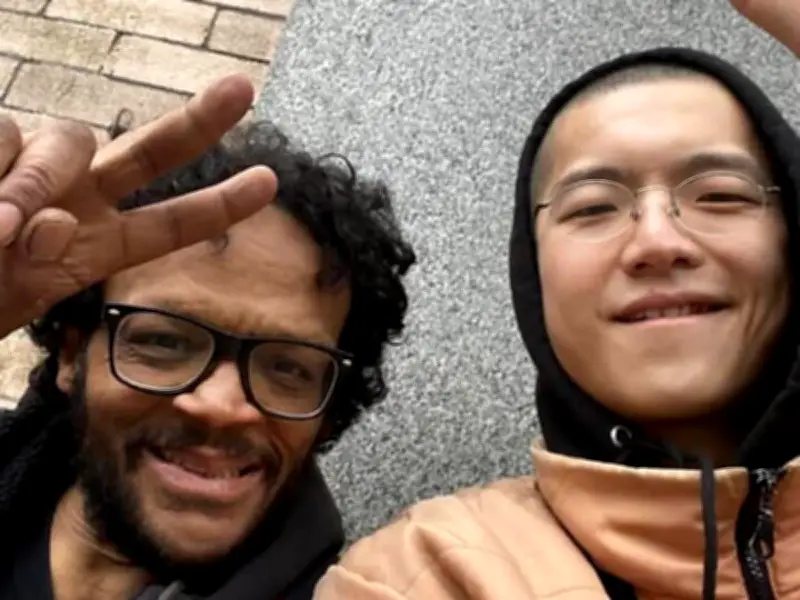
Vincent Tao remembers seeing Dino Bundy, also known as Boomer, outside the usual meeting space for the Vancouver Area Network of Drug Users in the Downtown Eastside in 2023. Standing in the parking lot with his glasses off, he stared into the empty sky. The scene, Tao recently recalled, felt unsettling — like someone waiting for something that had already arrived.
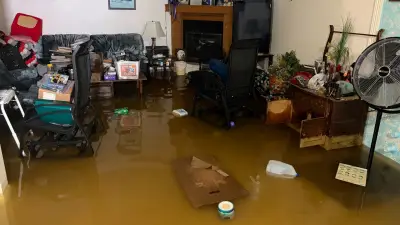
"I asked him what was going on. Boomer told me he had just been evicted from the single-room occupancy unit he had lived in for several years," said Tao. Bundy, then 60, died soon after that encounter when the electrical closet he ended up living in caught fire. His death in April 2023 followed a series of failed housing searches, according to Tao. "He died all by himself." Tao said it was not Bundy's opioid-use disorder that ultimately killed him, but the unstable and unsafe housing he was forced to rely on due to a lack of affordable housing.
Annual deaths among B.C.'s homeless population have more than tripled over the past decade, according to a recent report from the B.C. Coroners Service. There were 507 deaths among B.C.'s homeless population in 2024, the highest on record and the most recent year for which data was available. That's up from a 10-year low of 140 homeless people in 2019, following five years of decline.

Key Factors Driving the Increase
Experts say the increase is driven by a combination of worsening housing shortages, drug toxicity and limited access to health care. Nearly half of the deaths among B.C.'s homeless population in 2024 were people living outdoors in makeshift shelters, vehicles or abandoned buildings, said the report. Another third were people staying in emergency or short-term shelters, safe and transition houses, or temporarily with friends and family. Living conditions for the remaining deaths were not known.
Nearly three-quarters of deaths among homeless people in 2024 were linked to the toxic drug supply, up from just over half in 2016. While toxic drug deaths have begun to decline slightly in the last few years, that improvement has not happened among people lacking stable housing. Deaths among homeless people have remained stable.
"It used to be a mirror," B.C.'s chief coroner, Jatinder Baidwan, said of the relationship between deaths of housed and unhoused people. Now, he said, "the divide is getting bigger, not smaller."
Personal Story Highlights Systemic Failure
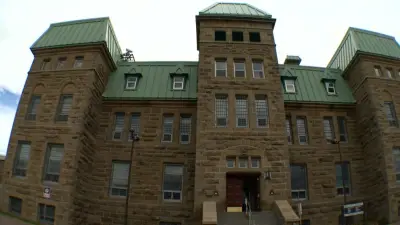
Tao said Boomer's story sits inside that growing divide. Bundy was half Black and half Indigenous, orphaned at the age of five. He spent part of his childhood at the Nova Scotia Home for Colored Children, according to his cousin Tanya Bundy. The institution was the subject of national scrutiny after former residents reported years of abuse, leading to a class-action lawsuit and a 2014 apology from the Nova Scotia government. "Even though his situation wasn't good, he tried his best to help others during his struggle with life, drugs and homelessness," his cousin said. "He always had a smile on his face."