B.C. Recreational Fishing Industry Voices Concerns Over Federal Salmon Allocation Review
Vancouver's recreational fishing industry is raising significant concerns as the federal government initiates a review of its Salmon Allocation Policy. This move is creating a wave of uncertainty among businesses and operators who rely on salmon fishing for tourism and economic stability.
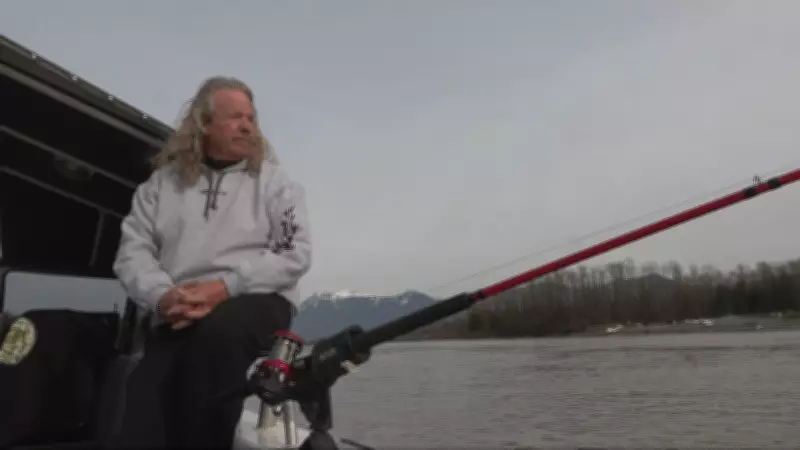
Dean Werk, the operator of Great River Fishing Adventures, highlighted the challenges posed by this policy review. "The uncertainty surrounding the Salmon Allocation Policy is directly impacting our operations and planning for the upcoming seasons," Werk stated. He emphasized that the fishing tourism industry, which attracts thousands of visitors annually to British Columbia, depends on clear and consistent regulations to thrive.
Impact on Local Economy and Tourism
The recreational fishing sector is a vital component of B.C.'s tourism economy, generating substantial revenue and supporting numerous jobs in coastal and inland communities. The potential changes to salmon allocation could affect everything from guided fishing tours to local hospitality services, such as hotels and restaurants that cater to anglers.

Industry representatives argue that any shifts in policy must balance conservation efforts with the economic needs of the region. They are calling for transparent communication from Ottawa to mitigate the current uncertainty and ensure that stakeholders are involved in the decision-making process.
Broader Context and Regional Concerns
This review comes at a time when salmon populations in the Pacific Northwest face multiple pressures, including climate change, habitat loss, and competing interests from commercial and Indigenous fisheries. The federal government's policy aims to address these complex issues, but recreational fishers worry that their sector might be disproportionately affected.
Local businesses are urging policymakers to consider the long-term implications of any changes, advocating for a balanced approach that supports both environmental sustainability and economic vitality. The outcome of this review could set a precedent for how Canada manages its natural resources in the face of growing environmental and economic challenges.
As the review progresses, stakeholders across British Columbia will be closely monitoring developments, hoping for a resolution that safeguards the future of recreational fishing while addressing broader conservation goals.