Stranded Whale Swims Free from Baltic Sea Sandbank, But Safety Concerns Linger
A whale that was stranded at a popular Baltic Sea resort in Germany has successfully swum off a sandbank, offering a glimmer of hope in a tense marine rescue situation. However, biologists and conservation experts are cautioning that the animal is not yet out of danger, with ongoing monitoring required to ensure its long-term survival.
Incident Details and Immediate Response
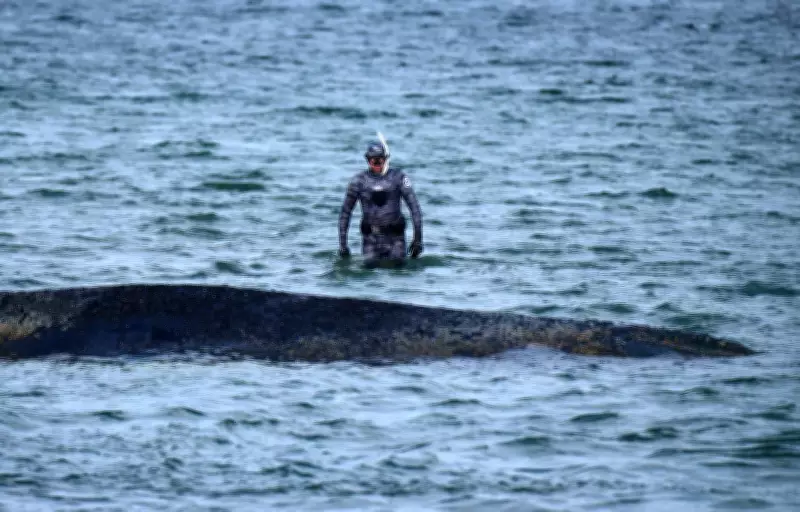
The stranding occurred in Timmendorfer Strand, Germany, on Thursday, March 26, 2026, drawing immediate attention from local authorities and marine biologists. Robert Marc Lehmann, a prominent biologist, was on-site to examine the whale, assessing its health and coordinating initial rescue efforts. The whale, which had become trapped on a sandbank in the shallow coastal waters, faced significant risks from dehydration, injury, and stress.
Video footage and reports confirmed that the whale managed to free itself and swim away from the sandbank, a positive development in what could have been a fatal situation. This self-rescue highlights the animal's resilience, but experts emphasize that such events often leave whales vulnerable to further complications, including disorientation, exhaustion, or re-stranding in other areas.

Why the Whale Isn't Safe Yet
Despite the successful escape, marine biologists warn that the whale's ordeal is far from over. Stranded whales typically suffer from:
- Physical Stress: The effort to swim off the sandbank can deplete energy reserves, making the whale susceptible to predators or illness.
- Navigation Issues: Disorientation in unfamiliar or shallow waters may lead to repeated strandings or collisions with boats.
- Health Decline: Prolonged exposure out of deep water can cause internal damage, such as organ compression or dehydration.
Conservation groups are urging continued vigilance, with patrols and tracking efforts to monitor the whale's movement in the Baltic Sea. The region, known for its delicate marine ecosystems, has seen similar incidents in the past, often linked to factors like shipping traffic, pollution, or natural navigation errors.
Broader Implications for Marine Conservation
This event underscores the broader challenges facing marine wildlife in the Baltic Sea and beyond. Climate change, habitat disruption, and human activities are increasingly impacting whale populations, making strandings more common. In response, initiatives are being promoted to enhance rescue protocols and public awareness.
For instance, local authorities in Germany have been working with organizations to develop faster response teams for marine emergencies. This incident serves as a reminder of the importance of such efforts, as timely intervention can mean the difference between life and death for stranded animals.
As the whale continues its journey, experts remain hopeful but cautious. They advise the public to report any sightings to aid in monitoring, while stressing that interference should be left to trained professionals to avoid further harm. The ultimate goal is to see the whale safely return to its natural habitat, contributing to the ongoing health of the Baltic Sea's biodiversity.