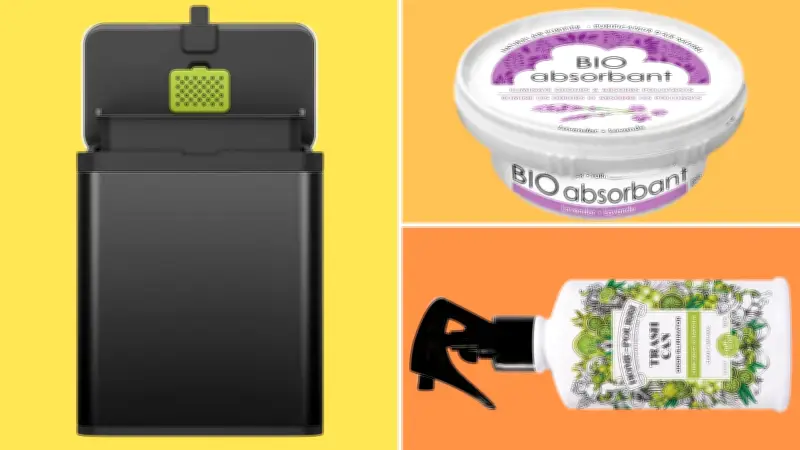
When temperatures rise, your trash bin can become a source of unpleasant odors that seem to intensify with each passing day. The combination of heat, moisture, and organic waste creates the perfect breeding ground for bacteria, which produce foul-smelling gases as they decompose food scraps and other materials.
The Science Behind the Stench
Bacteria thrive in warm, moist environments. As the mercury climbs, microbial activity in your trash bin accelerates dramatically. According to waste management experts, bacterial growth can double for every 10°C increase in temperature. This means a bin left in the summer sun can harbor millions of odor-producing microbes within hours.
Food waste, particularly proteins and fats, break down into volatile organic compounds (VOCs) like putrescine and cadaverine—the chemicals responsible for the characteristic rotten smell. Moisture from discarded fruits, vegetables, and liquids provides the medium for these reactions to occur rapidly.

Common Causes of Lingering Odors
Even after you take out the trash, residues remain. Sticky spills, food particles, and liquid pools at the bottom of the bin continue to decompose, releasing odors. Plastic bins are especially prone to absorbing smells because their porous surface traps bacteria and organic matter.
Another overlooked culprit is the bin lid. When closed, it traps heat and moisture inside, creating a mini greenhouse effect. This accelerates decomposition and concentrates odors, making the bin smell worse when you open it.
Immediate Solutions to Neutralize Odors
To combat summer trash bin smells, start with regular cleaning. Empty the bin weekly and rinse it with a mixture of hot water and white vinegar. Vinegar is a natural disinfectant that kills bacteria and neutralizes odors without harsh chemicals. For stubborn smells, sprinkle baking soda inside the bin and let it sit for 15 minutes before rinsing.
Using a bin liner is essential, but double-bagging can provide extra protection against leaks. Choose heavy-duty bags that are less likely to tear. Additionally, place a layer of newspaper or paper towels at the bottom of the bin to absorb excess moisture.
Long-Term Prevention Tips
Consider storing your trash bin in a shaded area or inside a garage during heatwaves. Direct sunlight heats the bin and its contents, accelerating bacterial growth. If possible, take out the trash more frequently in summer—every two to three days instead of weekly.
Another effective strategy is to freeze food scraps until garbage day. This reduces moisture and slows decomposition. You can also add a few drops of essential oil, like lemon or tea tree oil, to a cotton ball and place it in the bin for a fresh scent.
When to Replace Your Bin
If odors persist despite thorough cleaning, your bin may be too porous to sanitize effectively. Plastic bins can develop microscopic cracks that trap bacteria. In such cases, replacing the bin with a new one—preferably made from antimicrobial materials—can solve the problem permanently. Stainless steel bins are less porous and easier to clean, making them a worthwhile investment for odor control.