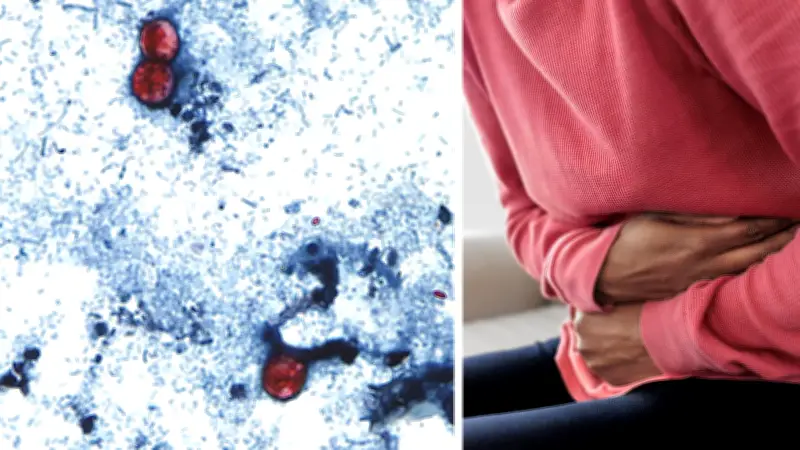
Toronto has not seen a rise in cases of the diarrhea-causing parasite Cyclospora following a recent outbreak in Michigan, according to local health authorities. The city's public health department confirmed that surveillance systems have detected no unusual uptick in infections linked to the parasite, which can cause severe gastrointestinal illness.
Background on Cyclospora
Cyclospora cayetanensis is a microscopic parasite that causes cyclosporiasis, an intestinal infection characterized by watery diarrhea, stomach cramps, nausea, and fatigue. Outbreaks are often associated with contaminated fresh produce, such as berries, herbs, and leafy greens, imported from regions where the parasite is endemic.
The Michigan outbreak, which began in late June, has sickened dozens of residents. Health officials there identified imported produce as a likely source. In response, Toronto Public Health increased monitoring but found no corresponding spike.

Expert Advice for Consumers
“We advise residents to wash all fruits and vegetables thoroughly, especially those consumed raw,” said Dr. Emily Chen, a Toronto public health official. “Travelers to areas with ongoing outbreaks should exercise caution with fresh produce.”
The U.S. Centers for Disease Control and Prevention (CDC) notes that Cyclospora is not transmitted directly from person to person. Infection occurs when contaminated food or water is ingested.
Comparison with Previous Outbreaks
In 2018, a multistate Cyclospora outbreak in the U.S. sickened over 200 people, linked to vegetable trays. Canada experienced a similar outbreak in 2020 tied to fresh basil. Toronto’s current lack of cases suggests effective food safety measures and import controls.
Health experts emphasize that symptoms typically appear about one week after exposure and can last several weeks if untreated. The infection is treatable with antibiotics, but prompt diagnosis is important.