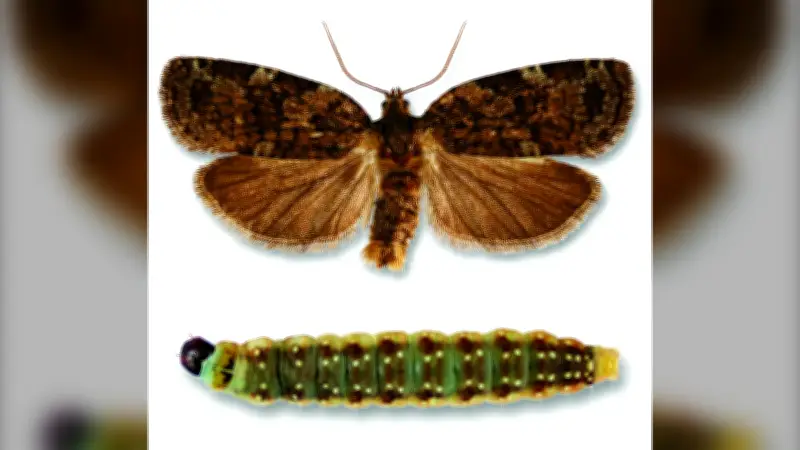
Nova Scotia’s chief medical officer has responded to concerns regarding the province’s plan to combat the eastern spruce budworm, stating that the approach has been “proven to be safe.” The eastern spruce budworm is a native insect that periodically causes significant defoliation of spruce and fir trees across North America.
Provincial Response to Infestation
The plan involves aerial spraying of a biological insecticide to control the budworm population. Dr. Robert Strang, Nova Scotia’s chief medical officer of health, emphasized that the product used has undergone extensive testing and is approved by Health Canada. “We are confident that the measures we are taking are safe for both human health and the environment,” Strang said during a press conference.
Scientific Evidence and Safety Protocols
The insecticide, Bacillus thuringiensis var. kurstaki (Btk), is a naturally occurring bacterium that targets only caterpillar species. It has been used for decades in forestry and agriculture. Studies show that Btk poses minimal risk to humans, pets, and non-target wildlife when applied correctly. The province will follow strict guidelines, including buffer zones near water bodies and residential areas.

Environmental groups have raised concerns about potential impacts on biodiversity, but Strang countered that the budworm outbreak could cause long-term ecological damage if left unchecked. “The alternative—widespread tree mortality and increased wildfire risk—poses greater threats,” he added.
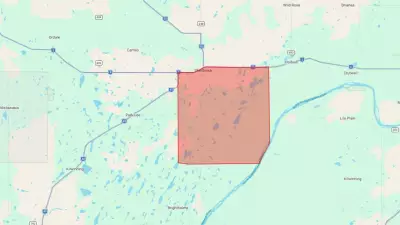
The spraying program is scheduled to begin in late June, covering approximately 500,000 hectares of affected forest. Residents in targeted areas will be notified in advance, and real-time monitoring will be conducted to ensure compliance with safety standards.