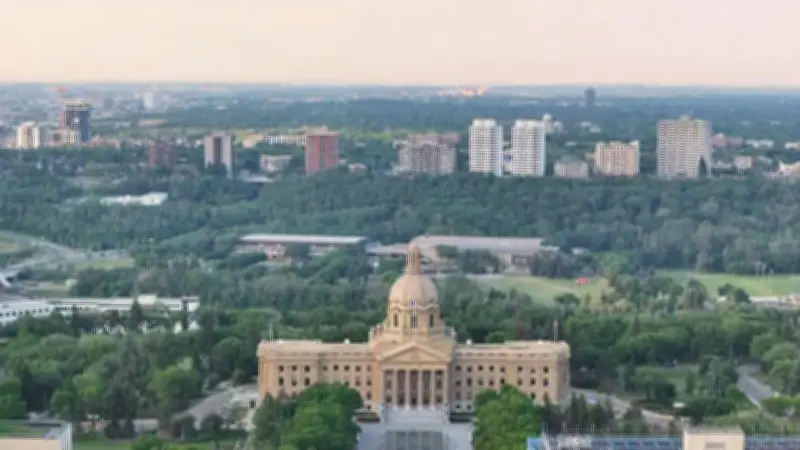
Edmonton experienced poor air quality on Monday as wildfire smoke continued to hang over the city, even as rain provided some relief. The haze, originating from active fires in the region, prompted Environment Canada to issue air quality statements warning of elevated health risks.
Rain Offers Little Respite
While Monday's rainfall helped dampen conditions, it was insufficient to clear the smoke entirely. The city remained under a blanket of haze, with visibility reduced in many areas. Environment Canada advised residents to limit outdoor activities, especially those with respiratory conditions, children, and the elderly.
Health Risks and Precautions
The air quality health index (AQHI) in Edmonton reached high-risk levels, with fine particulate matter (PM2.5) concentrations exceeding safe thresholds. Health officials urged people to keep windows closed, use air purifiers if available, and wear N95 masks when outdoors. The smoke is expected to persist until wind patterns shift, which may not occur until midweek.

According to Environment Canada, 'Wildfire smoke can be harmful to everyone's health, even at low concentrations. People with lung or heart disease, older adults, children, and pregnant women are at higher risk.'
Regional Impact
The smoke affected not only Edmonton but also surrounding areas, including Calgary, which was under a separate air quality warning due to smoke blowing in from Saskatchewan. Multiple wildfires continue to burn across Alberta and British Columbia, contributing to widespread haze.
Alberta Parks issued a state of local emergency in Kananaskis Country due to fire risks, and evacuation orders remained in effect for several communities. Firefighters are battling blazes that have consumed thousands of hectares of forest.
Ongoing Wildfire Season
The 2026 wildfire season has been particularly severe, with hot and dry conditions fueling numerous fires. The smoke from these fires has drifted across large portions of Western Canada, leading to recurring air quality advisories. Climate experts attribute the intensity to a combination of drought and above-average temperatures, which have created ideal conditions for fire spread.
Residents are advised to monitor air quality updates through Environment Canada's website and local news outlets. The city has set up cooling centers and clean air shelters for those without access to filtered indoor spaces.