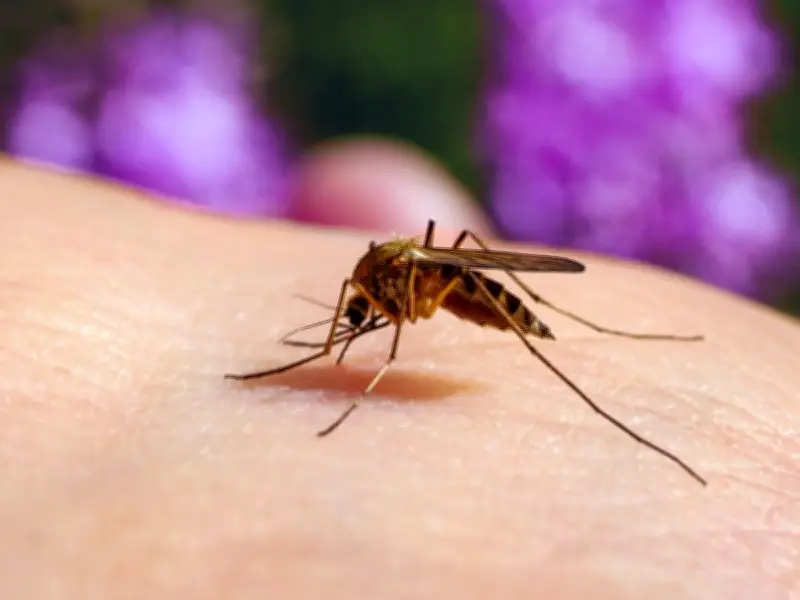
Primary Care Alberta issued a warning Tuesday about the elevated risk of West Nile virus following record-breaking rainfall across much of the province in June. The heavy precipitation has created ideal breeding conditions for mosquitoes, particularly the culex pipiens species, which is known to carry the virus.
Record Rainfall Triggers Mosquito Boom
Edmonton received more than 200 millimetres of rain in June, far above seasonal averages. This deluge has led to the emergence of culex pipiens, a mosquito type not commonly seen in Alberta. These mosquitoes are linked to West Nile virus and were implicated in the deaths of two grey owls at the Calgary Zoo in 2025.
While the overall risk of infection remains low, health officials caution that the combination of standing water and warm temperatures could increase virus transmission. Primary Care Alberta recommends covering skin with long-sleeved shirts, hats, and light-colored clothing when outdoors. Approved insect repellents containing DEET or Icaridin are advised.

Safe Use of Repellents
Health Canada-approved repellents should be used according to age guidelines: DEET is not recommended for babies under six months; for children aged six months to two years, use once daily; and for children over two, up to three times daily. Proper application reduces the risk of adverse effects.
Symptoms and Risks
West Nile virus can cause West Nile non-neurological syndrome, formerly known as West Nile fever, with symptoms including fever, chills, nausea, vomiting, fatigue, skin rash, swollen glands, and headache. A more severe form, West Nile neurological syndrome, can also occur. Alberta Health Services (AHS) notes that most infected individuals show no symptoms, but about one in five develop non-neurological syndrome up to 14 days after a bite.
Albertans can find more information at www.fightthebite.info or call Health Link at 811.