A New Era of Theatrical Expression Emerges in Calgary
A revolutionary stage production in Calgary is fundamentally altering how stories are communicated in theatrical settings, with a particular focus on accessibility and artistic innovation. This deaf-led initiative is championing movement as the primary language of performance, creating a powerful alternative to traditional verbal narratives.
Movement as Universal Language
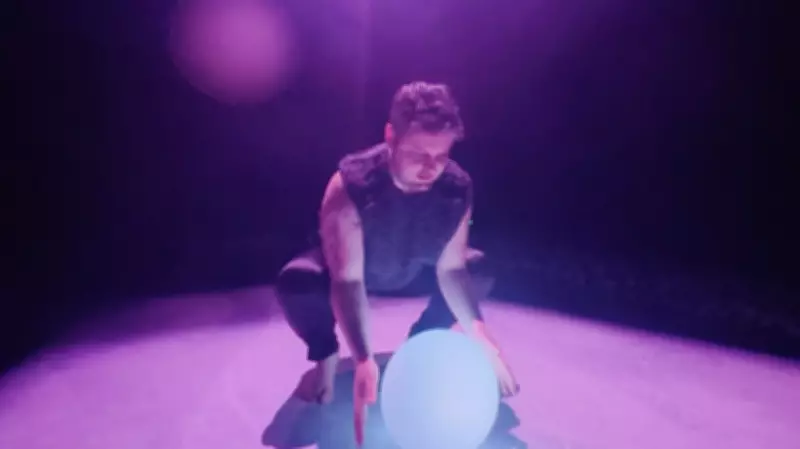
The production intentionally minimizes reliance on spoken words, instead utilizing physical expression, gesture, and visual storytelling techniques to convey complex narratives and emotional depth. This approach not only makes performances accessible to deaf and hard-of-hearing audiences but also creates a unique artistic experience that resonates with all theatergoers.
By prioritizing movement over dialogue, the production challenges conventional theatrical norms and expands the possibilities of how stories can be told. The creative team behind this initiative believes that physical expression can communicate nuances that words sometimes cannot capture, creating a more visceral and immediate connection with audiences.

Creating Inclusive Cultural Spaces
This Calgary-based production represents a significant step toward more inclusive cultural programming in Canadian cities. The deaf-led creative team is not only producing compelling art but also advocating for greater representation and accessibility in the performing arts sector.
The production's approach has several important implications:
- It demonstrates how artistic innovation can drive social inclusion
- It provides professional opportunities for deaf artists and performers
- It educates hearing audiences about different modes of communication
- It challenges theaters to reconsider their accessibility practices
Broader Impact on Canadian Theatre
This movement-focused production arrives at a time when Canadian performing arts organizations are increasingly prioritizing accessibility and diverse representation. The Calgary initiative serves as a model for how theaters across the country might reimagine their programming to be more inclusive while maintaining artistic excellence.
The production's success could inspire similar deaf-led initiatives in other cities, potentially transforming how Canadian theaters approach storytelling and audience engagement. By proving that powerful narratives can be communicated without relying primarily on spoken language, this Calgary production opens new creative possibilities for the entire theatrical community.
As this innovative approach gains recognition, it may encourage funding bodies and cultural institutions to support more projects that prioritize accessibility and diverse artistic expression, ultimately enriching Canada's cultural landscape for all audiences.