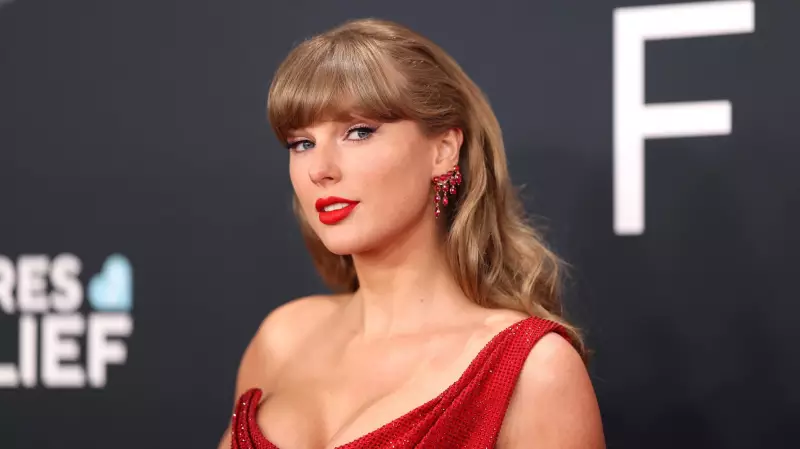
The announcement of the Grammy nominations on Friday ignited the customary wave of fan reactions, ranging from shock to outrage over the Recording Academy's perennial snubs and surprises. While some omissions seemed particularly egregious to observers, one high-profile absence had a perfectly logical explanation.
Fan Outrage Over Perceived Snub
Social media platforms quickly filled with comments from confused and disappointed Taylor Swift fans who noticed her most recent album, "The Life of Showgirl," failed to secure a single nomination. Users took to X (formerly Twitter) to express their disbelief, with one asking "where's the life of a showgirl...?" and another noting in Spanish that the album didn't appear in any Grammy categories. Some critics even suggested that commercial success had compromised Swift's artistic integrity, with one user claiming the snub "showed that greed has weakened her 'art'."
The Eligibility Rule Explains Everything
The apparent oversight, however, wasn't a snub at all. "The Life of A Showgirl" was released on October 3, 2025, placing it outside the eligibility window for the current Grammy awards cycle. According to Recording Academy guidelines, albums must be released between August 31, 2024, and August 30, 2025 to qualify for consideration.

Some astute social media users had actually predicted this confusion beforehand. One commentator warned followers to "be prepared for scores of people on here to act like Taylor receiving no nominations means Showgirl was snubbed, even though it came out after the qualifying period was over."
Previous Album Also Ineligible
Swift's previous blockbuster album, "The Tortured Poets Department," released on April 19, 2024, also falls outside eligibility for the upcoming 68th annual awards ceremony. However, "The Tortured Poets Department" did qualify for the 67th annual Grammys, where it earned an impressive six nominations but ultimately took home zero wins—a genuine and relatively rare awards show disappointment for the globally celebrated artist.
The situation highlights how Grammy eligibility rules can sometimes create confusion among music fans, particularly when major artists release albums just after the cutoff date for consideration.