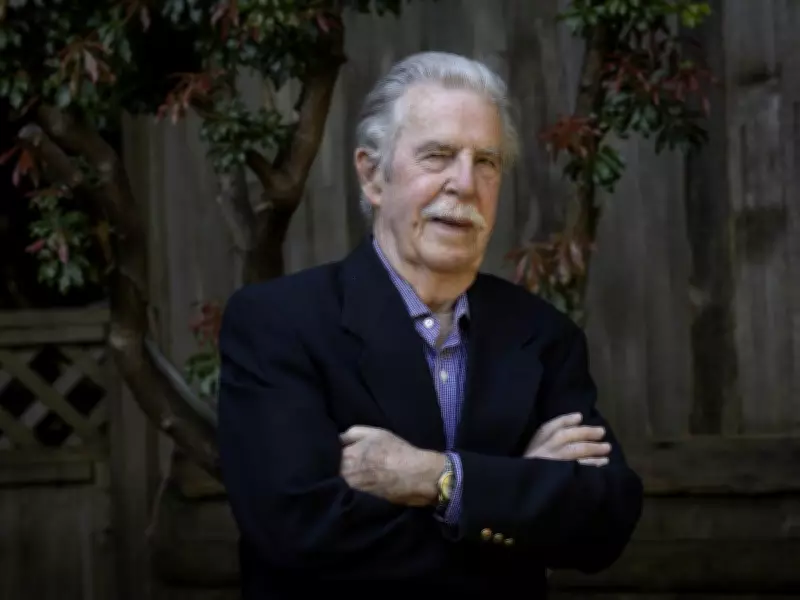
Don Wright, the longest-serving member of the Vancouver Opera Chorus, is retiring at age 83 after an extraordinary 51-year career that included 168 productions. As he takes his final bow this week, he hopes to be remembered for more than just his vocal contributions.
A Life Dedicated to Opera and Advocacy
Wright joined the Vancouver Opera Chorus in 1975, balancing his passion for singing with a job as a truck driver. He would often study scripts and memorize lines while on the road, then head straight to the theatre to perform after long hauls. In the early days, chorus members were expected to help with stage assembly and scenery moving before donning elaborate costumes and makeup.
Championing Performers' Rights
Beyond his vocal achievements, Wright is proud of his work with the Canadian Actors' Equity Association (CAEA). After joining Equity in 1977, he served for 16 years, including nine on the executive board, and was honored with the Larry McCance Award for his service. His efforts helped improve conditions for chorus members, who no longer need to take on non-performance tasks. "The young people in the chorus don't know anything about that," Wright said with a chuckle.

A Musical Journey
Wright grew up in a musical family; his father, Don Wright Sr., was a popular radio singer who performed with the Vancouver Opera in 1960. Young Don appeared on stage as a "super" in non-singing roles as a child but joined the opera later in life. In the 1960s, he performed protest songs and ballads in a folk duo with his wife Eileen at Vancouver coffee houses, later singing in a barbershop quartet. When the quartet disbanded, he auditioned for the opera despite having no formal training.
The Thrill of Ensemble Performance
Wright found the pageantry, acting, choreography, and audience response exhilarating. "Performing in an ensemble with an audience is very satisfying," he said. He took formal operatic vocal lessons to hone his craft. While chorus members rarely move into lead roles, the chorus itself is a vital collective character. Vocally, they must be accomplished artists capable of singing in any language, controlling vibrato and pianissimo, projecting over an orchestra without a microphone, and maintaining harmony independently. They also need acting skills and the ability to handle complex staging.
Wright has mixed emotions about his farewell performance in the Sunday, May 3 matinee of La Bohème. "I may shed a tear," he admitted. His legacy extends beyond the stage, having made a lasting difference for Canadian theatrical performers.