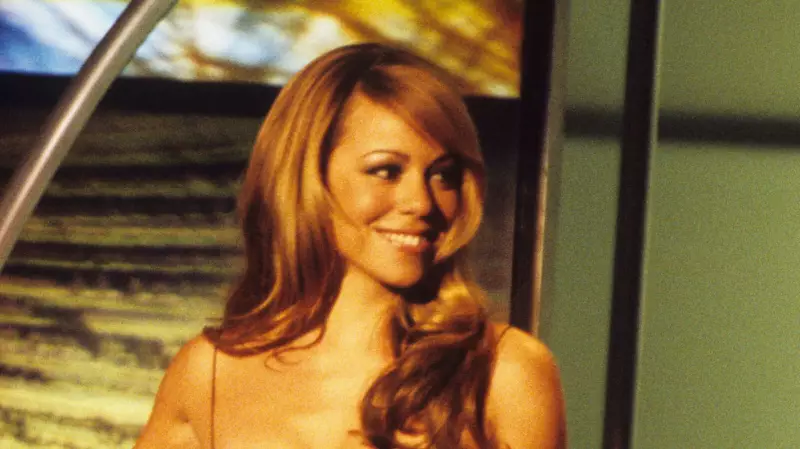
As the holiday season envelops us, Mariah Carey's voice has become as synonymous with Christmas as snow and sleigh bells. The 2024 festive period marked the 30th anniversary of her legendary album "Merry Christmas," with its iconic track "All I Want for Christmas is You" solidifying its place in holiday music history. Yet, to confine Carey's legacy to December alone is to overlook the profound artistic journey that shaped a generation of fans long before the first jingle bell rang.
An Unlikely Beginning: From Curly Hair to Career Dreams
The author's personal connection to Mariah Carey began not with a Christmas carol, but with a cassette tape. At age 12, during a visit to grandparents in Florida, a chance mall trip led to the purchase of "Mariah Carey MTV Unplugged." The choice was driven not by musical knowledge but by a powerful visual: Carey's wild, curly hair on the cover, which mirrored the author's own and offered a rare sense of representation and normalcy.
Listening to the acoustic version of "Emotions" on a Walkman while washing dishes sparked an immediate, physical reaction—goosebumps—and a nascent dream. "I knew in that moment that, like Mariah, I wanted to do something big with my voice," the author recalls. This moment ignited a year of auditions and voice lessons, a pursuit of artistic identity during a turbulent childhood, with Carey's posters wallpapering a bedroom and her style being emulated.

The Evolution of a Fan: From Ballads to Butterfly
Fandom reached a peak in 1994, when the author stood in pouring rain outside the now-defunct Coconuts record store in New York City for a chance to meet Carey during her "Music Box" promotion. The encounter was memorable for a brief, star-struck moment of forgetting her own name.
While global hits like "Dreamlover" and "Hero" from "Music Box" soared, the author gravitated toward deeper cuts like the bonus track "Everything Fades Away." A more significant shift came with Carey's sixth studio album, "Butterfly," released in 1997. This album marked a stark departure from sappy love songs, delving into themes of childhood trauma and alienation. Tracks like "Close My Eyes" and "Outside" offered raw vulnerability, reflecting a painful upbringing later detailed in her memoir, "The Meaning of Mariah." For the author, this music resonated on a bone-deep level, creating a connection far more impactful than the earlier ballads ever could.
A Legacy Beyond the Tinsel
While the holiday collection remains a cultural juggernaut, the author consciously listens to it the least. The piece argues that Carey's true gift to the fans who grew up with her is the reminder of the incomparable vocals and artistic range that first catapulted her to stardom. Her memoir, which describes her being treated as "an ATM with hair" by her own family, further satisfies curiosities about her resilience in a harsh industry.
As we celebrate three decades of festive Mariah, this reflection serves as an invitation to revisit the rich, sometimes painful, and always powerful discography that defines her as so much more than the Queen of Christmas. Her journey from a curly-haired girl on an "Unplugged" cover to a survivor singing about her trauma provided a soundtrack of identity, aspiration, and understanding for a fan navigating her own path.