Jimmy Kimmel Confronts FCC Threats with Defiant Political Satire
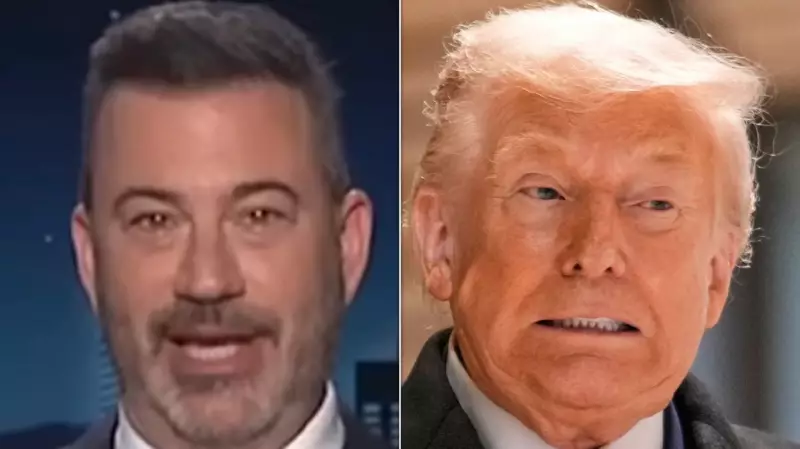
In a bold move that has reignited tensions between entertainment and regulatory bodies, late-night television host Jimmy Kimmel has publicly declared he may need audience support as he faces renewed threats from the Federal Communications Commission. Kimmel, who has previously clashed with the agency, revealed during his Wednesday night monologue that the FCC is once again targeting his show over political content.
FCC Crackdown on Political Guests in Entertainment Programming
Kimmel explained that the latest threat stems from new FCC guidance aimed at talk shows and entertainment programs that feature political guests. The guidance, as reported by the LA Times, mandates that shows must provide equal airtime to other candidates for the same office when they host political figures. This regulatory move has sparked controversy, with critics arguing it could stifle free speech and satire in media.
Remarkably, Kimmel noted that President Donald Trump, while engaged in high-level diplomatic meetings in Switzerland, took time to share the LA Times report on his Truth Social platform. This action has amplified the scrutiny on the FCC's enforcement efforts, drawing national attention to the issue.

Kimmel's Defiant Response and Satirical Interview
Unwilling to be intimidated by regulatory pressures, Kimmel announced a provocative act of defiance. "I invited President Trump to appear on our show tonight, FCC be damned," he declared to his audience. However, in a twist of satirical genius, Kimmel revealed that Trump's "head was unavailable to talk."
Instead, the show secured what Kimmel described as an exclusive mock interview with Trump's "badly bruised right hand," accompanied by a cameo appearance from a presidential cankle. This segment served as a sharp critique of Trump's political style and the ongoing regulatory battles, blending humor with pointed commentary on current events.
Historical Context and Ongoing Battles
This is not the first time Kimmel has faced FCC scrutiny. In September, the agency threatened him and briefly pulled his show off the air following comments he made about conservative activist Charlie Kirk's killer. That incident highlighted the delicate balance between entertainment, political discourse, and regulatory oversight in broadcast media.
Kimmel's latest monologue underscores the growing tensions between late-night hosts and government agencies in an era of heightened political polarization. By openly challenging the FCC and using satire to mock presidential figures, Kimmel continues to push boundaries in television comedy while engaging with substantive policy debates.
The situation raises important questions about the future of political content in entertainment programming and the role of regulatory bodies in shaping media discourse. As Kimmel seeks audience support in this fight, his actions may set precedents for how other hosts and networks respond to similar pressures in the coming months.