Folk Icon Judy Collins Champions Art as Essential Activism
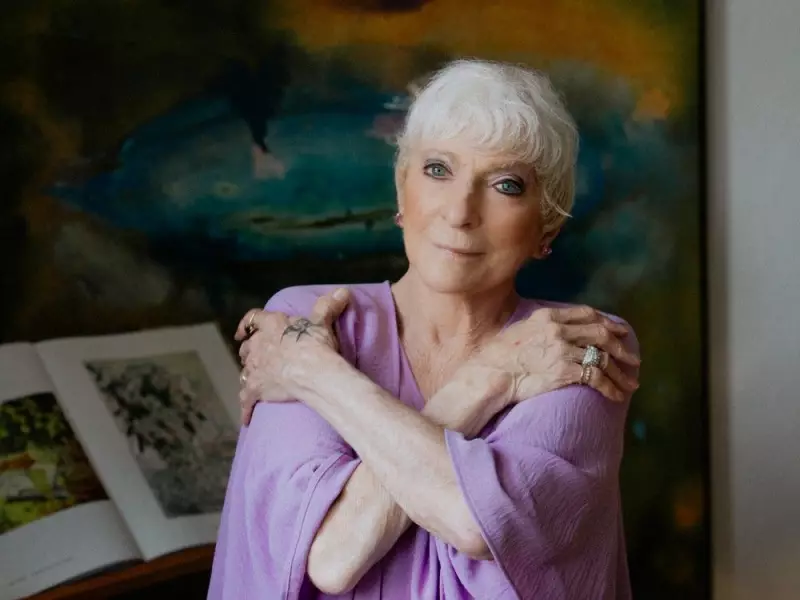
In a recent interview from her New York home, legendary folk singer Judy Collins emphasized that activism through artistic expression remains critically important in contemporary society. The 86-year-old music icon, whose career spans an impressive 65 years, shared insights about her remarkable journey and the enduring power of music as a vehicle for social change.
Discovering Musical Legends: Cohen and Mitchell
Collins possesses a treasure trove of stories from music history's most transformative era. Her uncanny ability to recognize musical genius before it became widely acknowledged positioned her uniquely within the 1960s folk and rock renaissance. Perhaps most famously, she played a pivotal role in launching Leonard Cohen's musical career when he was still primarily known as a poet.
The Leonard Cohen story has become music folklore, but hearing it from Collins provides fresh perspective. When they first met in 1966, Cohen nervously performed a few original songs for her. Recognizing their brilliance despite his shaky delivery, Collins recorded "Suzanne" and "Dress Rehearsal Rag" before Cohen released his own versions, featuring them on her acclaimed album In My Life.

"I shoved him on the stage and made him sing," Collins recalled of convincing Cohen to perform "Suzanne" at a New York Town Hall benefit concert in 1967. "He burst into tears on this big show and came back off the stage. I said, 'Well, I'll go on with you. You really need to sing this song.' After he heard the response of the audience—they went crazy—that was what he needed. We all need that."
Midnight Revelations and Musical Instincts
Collins demonstrated similar prescience with Joni Mitchell's breakthrough. In 1967, producer Al Kooper called Collins at 3 a.m. from Mitchell's apartment, putting the then-unknown singer on the phone to perform "Both Sides Now." So profoundly moved was Collins that she recorded the song herself, creating a hit two years before Mitchell's version emerged.
Her musical discoveries extended even earlier. While staying at manager Albert Grossman's house in 1963, Collins awoke to hear Bob Dylan working on "Mr. Tambourine Man" in another room. She released her interpretation in 1964, preceding Dylan's version by a full year.
Collins describes her song recognition ability as instinctual rather than analytical. "It happens immediately, and if I don't like it I never want to hear it again," she explained with characteristic laughter. "But, of course, I was very fortunate because I fell into the great folk scene when I was 19 and I heard things that were traditional songs that I picked up at the Denver Folklore Society."
The Enduring Legacy of Artistic Activism
Now in her ninth decade, Collins has secured her place as a master interpreter, stunning vocalist, and gifted songwriter synonymous with American balladry and folk traditions. Beyond her musical accomplishments, she maintains that artistic expression serves as vital social commentary, particularly during times of cultural and political uncertainty.
Her perspective carries weight not only because of her longevity in the industry, but because she witnessed firsthand how music could shape cultural conversations during the turbulent 1960s. Collins believes that today's artists carry similar responsibilities and opportunities to address contemporary issues through their work.
The folk legend's career demonstrates how artistic discovery and social consciousness intertwine. From recognizing Cohen's poetic genius to championing Mitchell's early work, Collins exemplifies how artists can elevate important voices and messages. Her conviction that activism through art remains essential reflects both her personal history and her ongoing commitment to music's transformative potential.