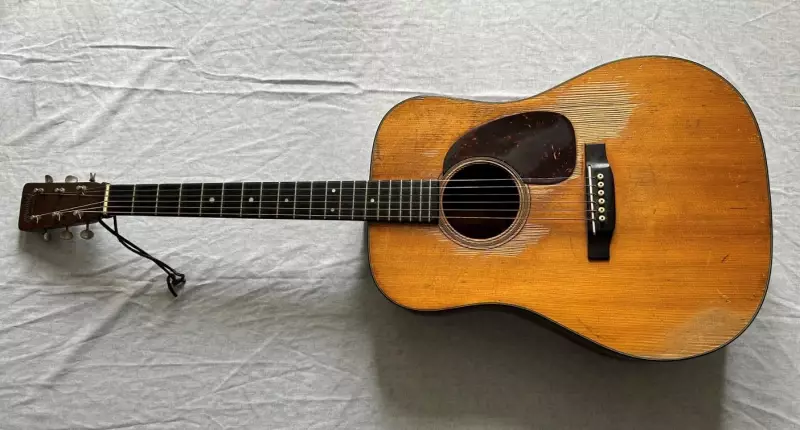
A remarkable piece of music history may have surfaced in Canada, as a British Columbia-based expert has declared with absolute certainty that a specific vintage guitar once belonged to the legendary Johnny Cash.
The Man in Black's Lost Instrument?
The instrument in question is a 1954 Martin D-18 acoustic guitar, currently owned by Peter Linseman. According to the B.C. specialist who examined it, this guitar is not merely a model from the same era; it is believed to be the very instrument Cash used to compose some of his most enduring classics, including "Folsom Prison Blues" and "I Walk the Line." The expert's assessment was definitive, stating the connection is "100 per cent" accurate.
This discovery places a significant artifact of American music heritage within a Canadian context, highlighting the cross-border nature of cultural history and the role of specialized expertise found in British Columbia. The authentication process likely involved meticulous examination of the guitar's construction details, wear patterns, provenance, and any historical documentation or markings that could link it directly to Cash's early career in the 1950s.

Implications for Music History and Collectors
The confirmation, if widely accepted by other experts and Cash historians, would dramatically increase the instrument's historical and monetary value. For owner Peter Linseman, it transforms a prized possession into a piece of priceless cultural patrimony. For fans and museums, it represents a tangible connection to the creative process of a music icon.
Such finds are exceptionally rare, especially for an artist of Johnny Cash's stature. The guitar's journey from potentially being in Cash's hands in the mid-1950s to its current location in Canada is a story in itself, one that sparks questions about its path through the decades before being identified.
The year 2026 has begun with this unexpected revelation from the world of music memorabilia, reminding us that iconic pieces of history can still emerge, often verified by specialists in unlikely places. The full details of the expert's evidence and Linseman's acquisition of the guitar are now subjects of great interest to the global music community.