Barry Manilow Delays Tour Start Following Health Concerns
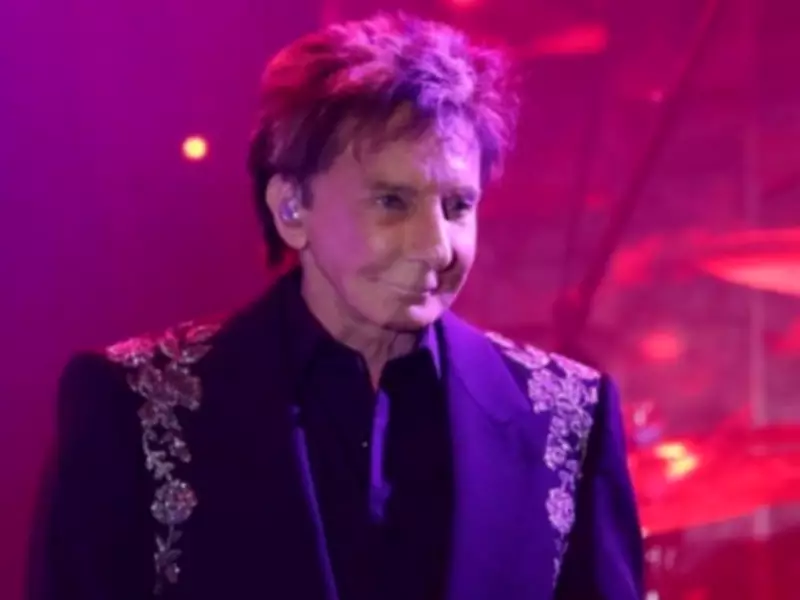
Seventies pop icon Barry Manilow has reportedly postponed the commencement of his latest arena tour after encountering another health setback, but the legendary singer has assured fans of his eventual return to the stage. The 82-year-old hitmaker, known for classics like I Write the Songs, informed his audience that he is currently facing challenges in resuming performances just weeks before his highly anticipated arena dates, according to FOX News.
Doctor's Advice Leads to Postponement
Manilow revealed he had a difficult discussion with his surgeon, who advised against his immediate return to performing. In a statement shared on X, the singer expressed his disappointment, noting that despite rigorous daily treadmill workouts, he could only manage to sing three songs consecutively before needing to stop. The doctor emphasized that Manilow's lungs were not yet prepared for the demands of a 90-minute show, stating, "Your body isn't ready. You shouldn't do the first arena shows. You won't make it through."
The singer acknowledged this reality, admitting, "I had a feeling he'd say that. Deep down ... my body knew what my heart didn't want to admit: I wasn't ready." This health issue stems from a cancer spot discovered on his lung in December, following a bout with bronchitis. Manilow has been in recovery mode since, dedicating himself to daily exercise but still not meeting the physical requirements for touring.

Rescheduled Shows and Future Plans
As a result, Manilow is rescheduling his shows from February 27 to March 17. He remains optimistic about a Las Vegas residency slated for the end of March and an arena tour beginning in April. The singer vowed, "When I do come back, I will COME BACK!!!" and emphasized his commitment to healing, as advised by his doctor. He signed his message with "All my love and gratitude, B."
Manilow reassured fans that the lung cancer spot was detected early and had not spread, attributing this to luck and excellent medical care. He noted that no chemotherapy or radiation was necessary, highlighting the importance of early detection in his recovery process.