The prestigious John F. Kennedy Center for the Performing Arts in Washington, D.C. is facing a significant cultural backlash. This follows a controversial decision by its board to rename the institution in honour of former U.S. President Donald Trump, prompting a fresh round of performance cancellations from prominent artists.
The Decisive Vote and Immediate Action
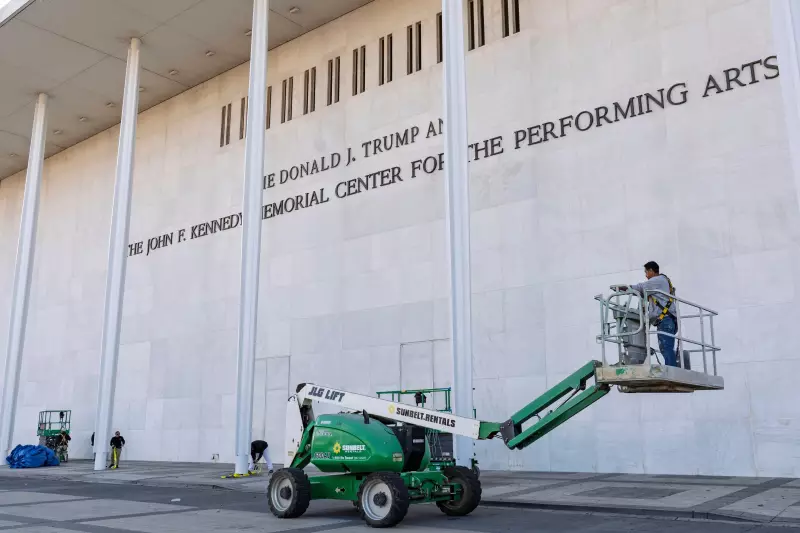
The move was set in motion when a board appointed during Trump's presidency voted to change the centre's name. On Friday, December 19, 2025, the physical transformation began as workers were seen adding Trump's name to the iconic building's facade. This act formally replaced the legacy of President John F. Kennedy, for whom the national cultural centre was originally named in 1964.
The visual confirmation of the name change, captured by Associated Press photographer J. Scott Applewhite, served as a catalyst for the arts community. The decision has been viewed by many performers and cultural figures as a deeply politicized alteration of a historically bipartisan institution dedicated to the arts.

Artists Withdraw in Protest
In direct response to the renaming, a growing number of artists and companies have announced they are pulling out of scheduled performances and events. This new wave of cancellations represents a tangible professional boycott, with performers choosing to disassociate from the centre under its new namesake.
While the original report did not list specific artists, such coordinated withdrawals indicate a substantial protest within the creative industry. The centre, which hosts hundreds of performances each year across ballet, theatre, orchestral music, and more, now faces potential gaps in its programming and a reputational challenge.
Broader Implications for Cultural Institutions
This controversy extends beyond a single venue's marquee. It raises fundamental questions about the intersection of politics, legacy, and art in high-profile national institutions. The Kennedy Center has long stood as a symbol of American cultural achievement, and its renaming is perceived by critics as injecting partisan politics into a space designed to transcend them.
The artist boycott underscores a powerful form of advocacy available to the creative community. By withdrawing their labour and talent, performers are making a clear statement about the values they believe cultural institutions should uphold. The long-term impact on the centre's bookings, donor support, and audience attendance remains to be seen as the institution enters 2026 under a cloud of contention.
The situation continues to develop, marking a significant moment of friction between political appointees and the artistic community they are meant to serve.