In a recent article for The Atlantic, writer Rose Horowitch highlighted a concerning cultural shift among contemporary film students: a growing inability to watch older movies from start to finish without distraction. This trend raises important questions about attention spans and the appreciation of cinematic history in today's fast-paced digital world.
The Challenge of Sustained Viewing in Modern Film Education
University of Wisconsin film professor Craig Erpelding expressed his disappointment to Horowitch, noting that even when assigned movie-watching as homework, many students simply won't complete the task. "I used to think, if homework is watching a movie, that is the best homework ever," Erpelding remarked. "But students will not do it."
This phenomenon isn't entirely new. Even in the 1980s, during the author's film studies at York University, sitting through silent classics like The Passion of Joan of Arc presented challenges. However, today's distractions are amplified by smartphones delivering personalized content and platforms like YouTube and TikTok that condition viewers to consume media in brief, attention-grabbing segments.

The Enduring Value of Classic Cinema
Despite these challenges, film education continues to reveal the profound pleasures of what might be called "the slow burn" of classic cinema. From Maya Deren's experimental masterpiece Meshes of the Afternoon to Preston Sturges' sharp Hollywood satire Sullivan's Travels, these works offer rich rewards for patient viewers. Interestingly, Sullivan's Travels provides the provenance for the Coen brothers' film title O Brother, Where Art Thou?, demonstrating how classic cinema continues to influence contemporary filmmakers.
Gold Diggers of 1933: A Case Study in Timeless Relevance
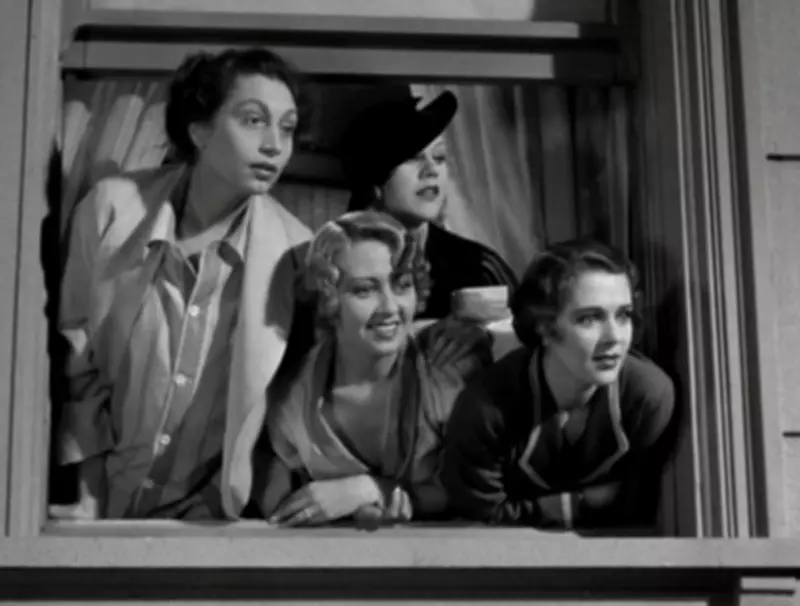
Among the many black-and-white classics worth rediscovering, Gold Diggers of 1933 stands out as particularly remarkable. Available on the Criterion Channel, this musical from the pre-Code era offers both entertainment and surprising social commentary that remains relevant nearly a century later.
The film's musical number "Pettin' in the Park" features what might be considered alarming suggestiveness by today's standards, created before the Motion Picture Production Code imposed stricter regulations on Hollywood content. More significantly, the climactic production number "Remember My Forgotten Man," choreographed by Busby Berkeley, serves as a powerful protest song addressing the mistreatment of World War I veterans during the Great Depression.
Historical Context and Contemporary Parallels
Joan Blondell's poignant performance of "Remember My Forgotten Man" includes lyrics that resonate across generations: "You put a rifle in his hand, sent him far away, and shouted hip hurrah ... but look at him today." The film's release in 1933 preceded the Bonus Army occupation of Washington D.C. the following year, when approximately 17,000 veterans and their families protested for promised benefits, only to be dispersed by military forces including future generals George Patton and Douglas MacArthur.
This historical context gives the film additional weight, demonstrating how classic cinema often engaged with pressing social issues of its time. For viewers who complain about contemporary musicals being "too woke," Gold Diggers of 1933 offers a compelling reminder that social commentary in entertainment is hardly a new phenomenon.
Rediscovering the Pleasures of Classic Film
The current streaming landscape presents an unprecedented opportunity to explore black-and-white classics that might otherwise be difficult to access. Platforms like the Criterion Channel, Kanopy, and various studio collections make these films more available than ever before. For educators and film enthusiasts alike, this represents a chance to bridge the gap between contemporary viewing habits and cinematic heritage.

While attention spans may have shortened since the 1980s, the fundamental pleasures of discovering these cinematic treasures remain unchanged. The beautiful revelations found in classic films—whether in their visual storytelling, social commentary, or simply their entertainment value—continue to reward those willing to engage with them fully. As streaming services expand their classic film libraries, viewers have more opportunities than ever to dip their toes into the rich waters of cinematic history and discover why these black-and-white classics never truly get old.