The Making of a Horror Classic: 'The Shining's' Artificial Hotel
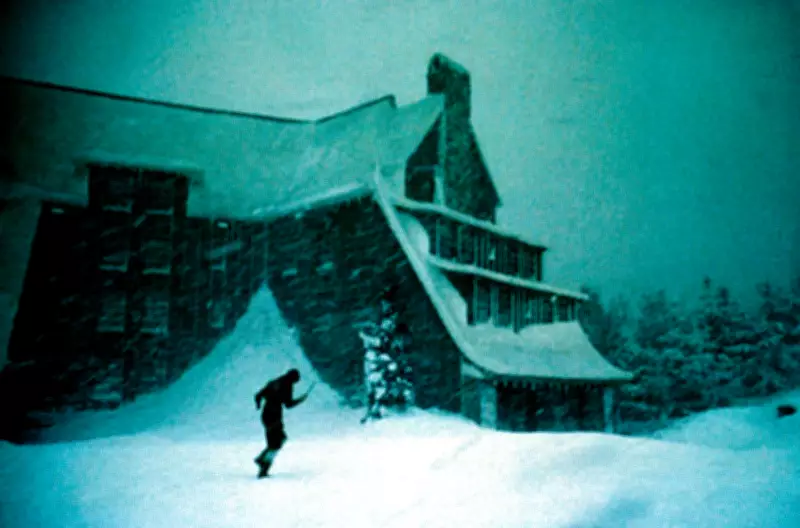
New insights have emerged about the production of Stanley Kubrick's legendary horror film The Shining, revealing that some of its most iconic exterior hotel scenes were not filmed at the actual Timberline Lodge in Oregon but were instead meticulously constructed on an enormous soundstage in England. This revelation sheds light on the elaborate artifice behind one of cinema's most haunting settings.
Behind the Scenes of the Overlook Hotel
According to production details, the exterior shots featuring actress Shelley Duvall as Wendy Torrance were created on a massive soundstage, allowing Kubrick and his team complete control over the environment. This approach enabled the director to craft the eerie, isolated atmosphere that has become synonymous with the film. The decision to build these sets in England, rather than on location in the United States, highlights the extensive planning and resources dedicated to achieving Kubrick's precise vision.
The soundstage construction included detailed replicas of hotel facades and surrounding landscapes, which were enhanced with artificial snow and lighting to create the film's chilling winter aesthetic. This method not only provided consistency in filming conditions but also allowed for the manipulation of elements to heighten the psychological tension central to the story.

Impact on Film Production Techniques
This practice of using large-scale soundstages for exterior scenes has influenced subsequent film productions, demonstrating how controlled environments can be used to achieve specific artistic effects. In The Shining, the artificial setting contributed to the surreal and claustrophobic feel that amplifies the horror, making the Overlook Hotel itself a character in the narrative.
The revelation about the soundstage adds a new layer to the appreciation of the film's craftsmanship, underscoring the collaborative efforts of set designers, cinematographers, and directors in bringing fictional worlds to life. It serves as a reminder of the innovative techniques employed in classic cinema to overcome logistical challenges and realize ambitious creative concepts.
As audiences continue to revisit The Shining, these production details enrich the understanding of how cinematic magic is made, blending reality and illusion to create enduring works of art.