The Halftime Show's Journey to Cultural Dominance
What began as a modest intermission spectacle has blossomed into one of the most anticipated events in global entertainment. The Super Bowl halftime show, once dominated by marching bands and local performers, now commands a worldwide audience of hundreds of millions, rivaling the game itself for attention. This remarkable evolution reflects broader shifts in media, music, and popular culture over the past half-century.
From Pageantry to Performance Art
In its early decades, the halftime show served primarily as festive filler—a chance for spectators to stretch their legs while university bands provided patriotic or thematic entertainment. These productions emphasized coordination and visual spectacle over individual star power. However, as television viewership exploded, the National Football League recognized an opportunity to transform this interval into must-see television, setting the stage for a dramatic reinvention.
The Michael Jackson Watershed Moment
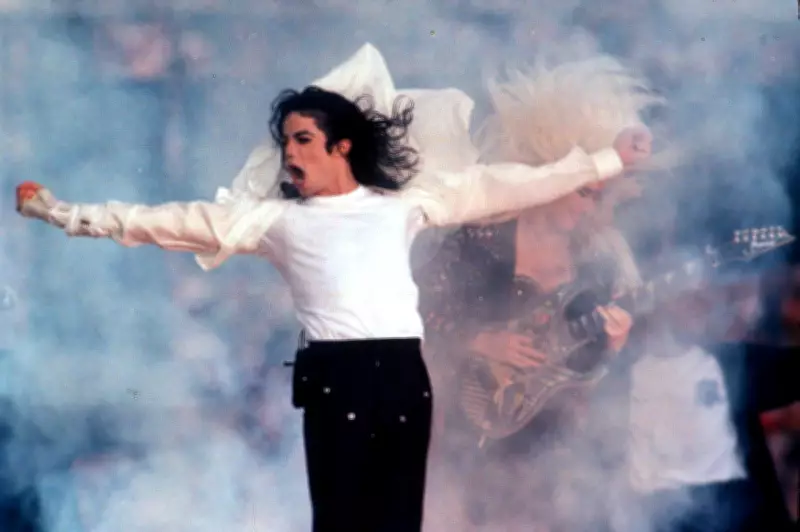
A pivotal turning point arrived on February 1, 1993, in Pasadena, California. Michael Jackson's electrifying performance shattered previous conventions, demonstrating that a halftime show could be a premier showcase for A-list talent. His medley of hits, complete with elaborate choreography and pyrotechnics, captivated an estimated 133 million viewers in the United States alone. This performance proved that the halftime slot could significantly boost ratings and cultural relevance, establishing a new template for future productions.

Building a Global Pop Culture Stage
Following Jackson's landmark appearance, the halftime show steadily ascended to its current status as pop culture's biggest single-stage event. The NFL began strategically booking megastars from various genres—from rock legends like U2 and The Rolling Stones to contemporary icons like Beyoncé, Lady Gaga, and Dr. Dre. Each performance became a meticulously planned media event, often featuring surprise guest appearances, cutting-edge technology, and social media-driven anticipation. The show now serves as a unique platform where music, sports, advertising, and technology converge, generating billions of impressions and dominating post-event conversation.
More Than Just a Concert
Today's halftime extravaganza is a high-stakes production involving thousands of crew members, intricate stage designs that must be assembled and dismantled in minutes, and rehearsals measured in weeks, not days. It has become a career-defining moment for artists, capable of triggering massive spikes in music sales and streaming numbers. Furthermore, the show often incorporates social and political statements, reflecting its role as a mirror to contemporary society. This evolution from simple pageantry to a complex, multi-layered cultural phenomenon underscores its unique position in the entertainment landscape.
The Super Bowl halftime show's journey is a testament to the power of live television and strategic entertainment branding. It has grown from a regional tradition into a global spectacle that consistently sets the standard for live performance, forever changing how audiences experience the intersection of sports and popular music.