Brett Ratner Addresses Crew's Credit Requests on Melania Trump Documentary
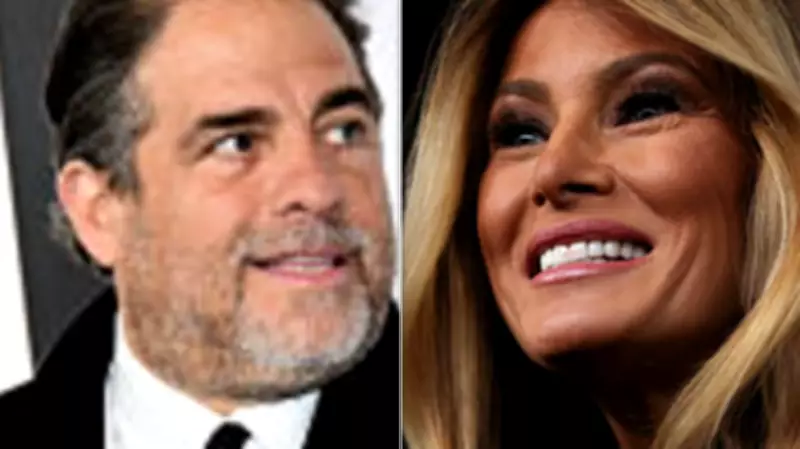
Director Brett Ratner has publicly responded to recent reports that numerous crew members working on his new documentary about Melania Trump requested to remain uncredited on the film. The controversy emerged following a Rolling Stone article revealing that a majority of the production team in New York asked not to be formally acknowledged in the credits.
Ratner's Understanding of Political Concerns
Speaking at the Kennedy Center premiere on Thursday, Ratner expressed understanding toward crew members who might have political reservations. "I understand if a liberal is working on the movie and they don't want to be credited, but they want to feed their family. I don't blame anybody for that," he stated. Ratner suggested that some of these individuals were likely "day players" hired for specific filming locations across New York, Washington D.C., and Florida.
Crew Members Voice Regret and Discomfort
According to the Rolling Stone report, one production person who did receive credit expressed regret due to the political climate surrounding Donald Trump's second term. "I'm much more alarmed now than I was a year ago," the individual confessed. Another crew member highlighted discomfort with the project's perceived propaganda elements, while also criticizing Ratner directly. "I feel a little bit uncomfortable with the propaganda element of this," they said. "But Brett Ratner was the worst part of working on this project."

Interestingly, several crew complaints about Ratner contrasted with positive remarks about Melania Trump, whom they described as "friendly and very engaged" during production.
Broader Production Controversies and Ratner's Comeback
The documentary has faced significant scrutiny even before its Friday opening. A New York Times report indicated that Amazon, which is involved in the project, compelled its employees to work on it despite any political objections. This adds another layer to the ongoing debates surrounding the film's production ethics.
For Ratner, this project marks a notable return to filmmaking after a hiatus following multiple sexual harassment allegations in 2017. His comeback is further underscored by plans to direct another "Rush Hour" sequel, a move reportedly encouraged by Donald Trump's call to revive the action franchise.
The situation highlights the complex intersections of politics, entertainment, and workplace dynamics in today's polarized climate, where even documentary filmmaking can become a contentious arena.