Kennedy Family Voices Outrage Over Trump's Plan to Shutter Renamed Performing Arts Center
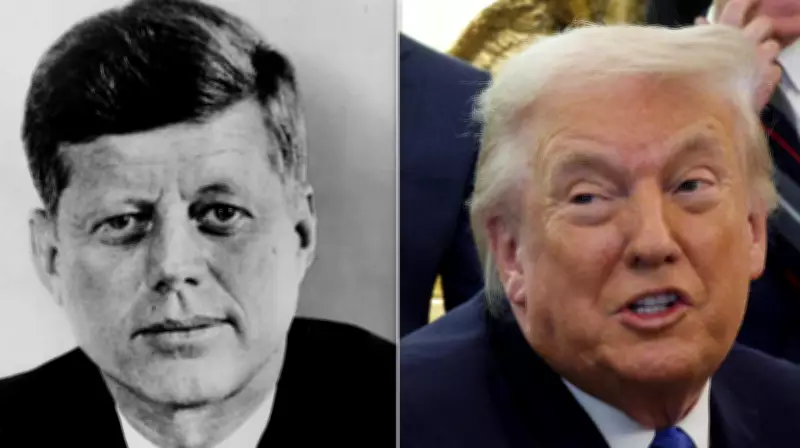
Former President Donald Trump's announcement to temporarily close the recently rebranded Trump-Kennedy Center for two years has sparked significant backlash from members of the Kennedy family. The performing arts venue, originally named in honor of President John F. Kennedy, faces an uncertain future under Trump's controversial proposal.
Trump's Announcement and Family Reactions
Trump revealed his plan late Sunday on his Truth Social platform, describing the existing structure as "tired, broken, and dilapidated." According to his statement, the venue will close on July 4, coinciding with the nation's 250th anniversary, and will reopen shortly before he leaves office. This decision has not been well-received by Kennedy's relatives, who view it as politically motivated.
Maria Shriver, Kennedy's niece, took to social media to express her suspicions about Trump's true intentions. "Translation: It has been brought to my attention that due to the name change... entertainers are canceling left and right," she wrote on X. "I've determined that due to this change in schedule, it's best for me to close this center down and rebuild a new center that will bear my name."

Political Responses and Legacy Concerns
Kennedy's grandson, Jack Schlossberg, who is currently running as a Democrat for a U.S. House seat in New York, echoed Shriver's sentiments but framed the issue within a broader political context. "Trump can take the Kennedy Center for himself. He can change the name, shut the doors, and demolish the building," he wrote on X. "But JFK is kept alive by us now rising up to remove Donald Trump, bring him to justice, and restore the freedoms generations fought for."
Former Representative Joe Kennedy III, JFK's grandnephew, called Trump's plan "painful" and characterized it as a distraction from more pressing issues. "President Kennedy would remind us that it is not buildings that define the greatness of a nation," he wrote. "So, do not be distracted from what this Administration is actually trying to erase: our connection, our community, and our commitment to the rights of all."
Background and Community Impact
The Kennedy Center opened in 1971 as a "living memorial" to President Kennedy, who was assassinated in 1963. Trump's takeover and rebranding of the venue in December, now controversially named the Trump-Kennedy Center, has led to legal and legislative challenges and sent shockwaves through the performing arts community.
In recent months, the venue has faced numerous challenges, including:
- A growing list of artists, such as composer Philip Glass and soprano Renée Fleming, canceling scheduled performances
- Reports of dwindling donations and declining ticket sales at the traditionally nonpartisan venue
- Increased political polarization surrounding the center's operations
Richard Grenell, appointed by Trump as the center's interim executive director last February, defended the president's actions. "We have, for decades, watched the Kennedy Center be ignored by the very people who are now standing up and complaining about the rescuer," Grenell told Fox News. "They're complaining about the fireman who's come in to literally rescue it and put out the fire."
The controversy highlights ongoing tensions between political agendas and cultural preservation, with the Kennedy family's reactions underscoring the deep personal and historical significance of the venue. As debates continue, the future of this iconic Washington, D.C. institution remains in flux, reflecting broader national divisions.