The Fading Art of Millinery: A Cultural Shift in Headwear
Once a ubiquitous feature of urban landscapes, millinery shops have largely vanished from city corners, marking a significant cultural transformation in how we adorn our heads. This decline reflects broader changes in fashion, social norms, and religious practices that have reshaped our relationship with hats over the past century.
Historical Prominence and Vancouver's Millinery Scene
In the early 1900s, millinery represented a thriving industry with remarkable employment numbers. Historical records indicate that New York City alone boasted approximately 83,000 individuals working in millinery trades around 1900, predominantly women who crafted and sold these essential accessories. Vancouver maintained its own vibrant millinery culture, with establishments like Eleanor Mack Millinery at Park Royal mall in West Vancouver serving as local landmarks. These shops were often filled with elaborate displays of feathered creations, designed to captivate passersby and elevate everyday fashion.
Religious Foundations of Head Coverings
The tradition of wearing hats extends far beyond mere fashion, with deep roots in religious doctrine across multiple faiths. For centuries, women were instructed to cover their heads as a sign of reverence and modesty before their deities. Biblical passages, such as Corinthians 11:2-16, specifically mandated head coverings for women during prayer while requiring men to remain uncovered in worship spaces. This practice stemmed from theological interpretations of gender roles, with women considered the "glory of man" in contrast to men reflecting the "image and glory of God."

The linguistic heritage of head coverings reveals this religious connection through terms like "kerchief," derived from the Old French "cuervrechief" meaning "cover the head." This etymology explains why historical British dramas frequently depict housewives tying scarves before venturing outdoors, preserving centuries-old traditions of modest head covering.
Evolution of Millinery Terminology and Trade
The very word "millinery" traces its origins to "Milener," referencing merchants from Milan, Italy who specialized in fashion accessories during the 1500s. Originally, milliners sold not only hats but also gloves, jewelry, and various small dress items before the term narrowed to describe specifically those dealing in headwear. This European heritage established Milan as an early center of fashion innovation that would influence hat-making traditions across the Western world.
Contemporary Hat Culture and Royal Endorsement
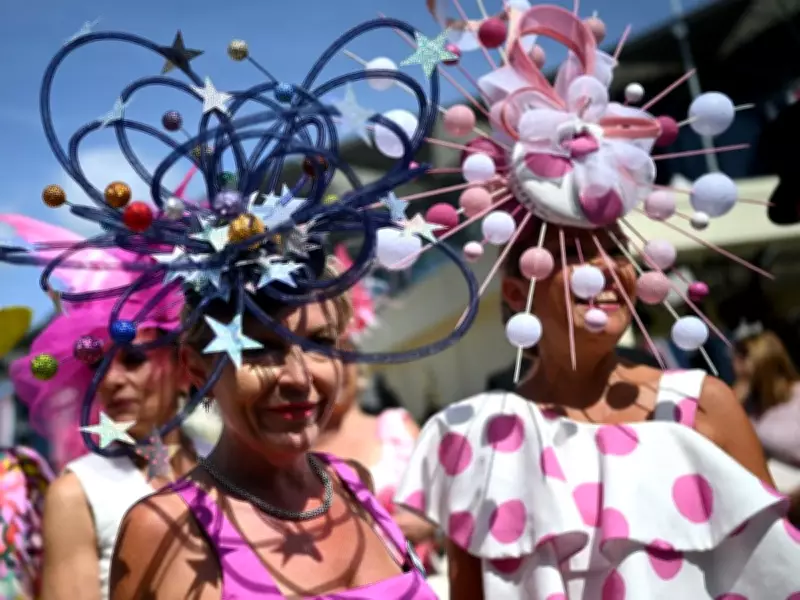
Despite the general decline of everyday hat-wearing, certain institutions and events continue to sustain millinery traditions. The British Royal Family remains a powerful patron of hat culture, with Queen Elizabeth II maintaining Rachel Trevor Morgan as her official milliner from 2014 onward, granting her a royal warrant. Princess Kate frequently showcases designs by Philip Treacy, a celebrated contemporary hat designer who has achieved rock star status within fashion circles.
High-profile events like the Kentucky Derby and England's Ascot Gold Cup provide crucial support for the millinery industry. The Royal Enclosure at Ascot Racecourse maintains strict dress codes requiring women's headpieces with minimum 10-centimeter base diameters, explicitly prohibiting skimpy fascinators. These regulations ensure that traditional hat-wearing remains integral to certain social occasions, preserving millinery craftsmanship for specialized applications.
The Changing Landscape of Headwear Fashion
What was once considered essential daily attire has transformed into optional fashion statements, with hats evolving from religious necessities and social requirements to occasional accessories. The disappearance of millinery shops from downtown corners symbolizes this broader cultural shift, as fewer people incorporate hats into their regular wardrobes. Yet the artistry persists through dedicated craftspeople and specific cultural events that continue to celebrate the elegance and tradition of fine headwear.

This transition from ubiquitous necessity to niche luxury reflects changing attitudes toward fashion, religion, and social convention, marking the end of an era while preserving millinery as a specialized art form for particular occasions and traditions.