Reviving a Maritime Legacy: The Workshop Rebuilding Newfoundland's Wooden Boat Tradition
In a quiet corner of Newfoundland and Labrador, a dedicated group of artisans is meticulously working to resurrect a centuries-old maritime tradition. The wooden boat, once the lifeblood of coastal communities across the province, is experiencing a remarkable revival thanks to a specialized workshop committed to preserving this iconic craft.
A Tradition Steeped in History
For generations, wooden boats were not merely vessels but essential tools for fishing, transportation, and survival along Newfoundland's rugged coastline. The skills required to build them were passed down through families, forming a vital part of the province's cultural identity. However, as modern materials like fiberglass became prevalent, this traditional knowledge began to fade, risking the loss of an irreplaceable heritage.
The Workshop's Mission and Methods
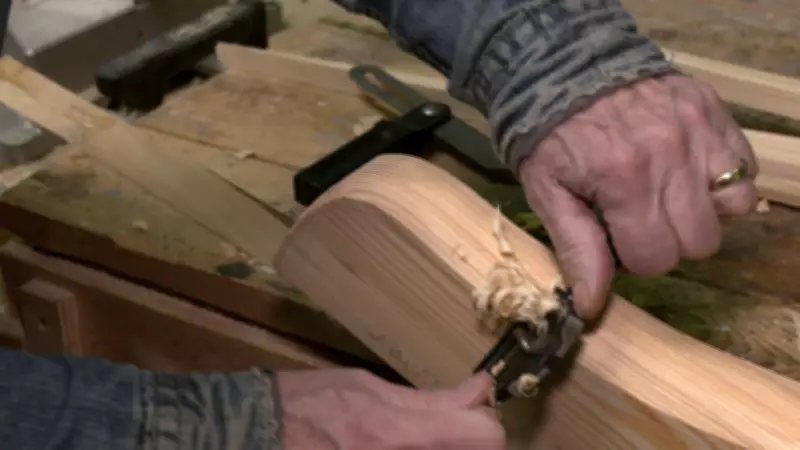
The workshop, as featured in recent coverage, serves as both a production facility and an educational hub. Here, master boat builders combine time-honored techniques with contemporary innovations to construct and restore wooden boats. Every step, from selecting locally sourced timber to hand-carving joints, is performed with precision and respect for historical methods.

"We're not just building boats; we're rebuilding a connection to our past," explains one of the lead craftsmen. The team often works on replicas of traditional designs, such as the iconic Newfoundland dory or the larger schooners that once dotted the Atlantic, ensuring these models remain a living part of the maritime landscape.
Challenges and Innovations in Preservation
Preserving this tradition involves overcoming significant challenges. Sourcing appropriate wood, training new apprentices in specialized skills, and balancing authenticity with modern safety standards require constant adaptation. The workshop addresses these by:
- Partnering with local forestry operations to secure sustainable timber.
- Offering apprenticeships to young enthusiasts eager to learn the trade.
- Integrating modern tools for efficiency while maintaining handcrafted quality.
This approach not only keeps the tradition alive but also fosters economic opportunities in rural areas, supporting local economies through tourism and custom boat sales.
Impact on Community and Culture
The revival effort extends beyond the workshop walls. Completed boats are used in community events, educational programs, and maritime festivals, allowing residents and visitors alike to experience this piece of living history. This initiative helps strengthen cultural pride and ensures that future generations can appreciate the craftsmanship that defined Newfoundland's seafaring heritage.
As interest in sustainable and artisanal practices grows globally, Newfoundland's wooden boat tradition stands as a testament to the enduring value of handmade craftsmanship. The workshop's work symbolizes a broader movement to honor and revitalize cultural traditions that might otherwise be lost to time.