Winnipeg's Living History: Architectural Treasures That Predate Provincial Status
The city of Winnipeg boasts a remarkable collection of historic structures that stand as silent witnesses to a time before Manitoba even existed as a province. These architectural treasures, some dating back to the early 19th century, offer tangible connections to the region's complex history and development.
The Iconic Upper Fort Garry Gate
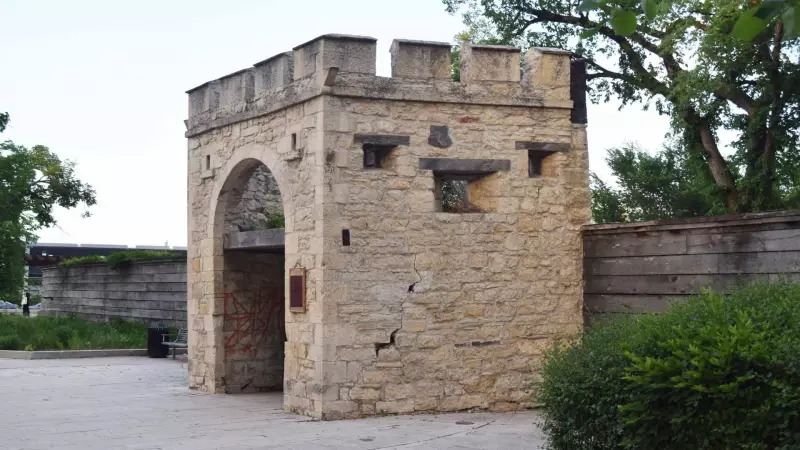
Among these historic landmarks, the Upper Fort Garry Gate holds particular significance. This stone structure, originally part of a Hudson's Bay Company fort established in the 1830s, has become an enduring symbol of Winnipeg's heritage. The gate's importance was formally recognized in 1973 when it was incorporated into the official crest of the City of Winnipeg, cementing its status as a municipal icon.
Photographed in June 2025, the gate continues to stand as a testament to the city's frontier origins and its evolution from a fur trading post to a modern urban center. Its preservation represents a conscious effort to maintain physical connections to Winnipeg's earliest days.

Other Pre-Confederation Structures
Beyond the Upper Fort Garry Gate, Winnipeg contains several other buildings constructed before Manitoba entered Confederation in 1870. These structures include:
- Early commercial buildings from the Red River Settlement era
- Residential properties that housed the region's first permanent settlers
- Institutional structures that served Winnipeg's growing community
- Industrial facilities that supported early economic development
Each of these buildings tells a unique story about Winnipeg's transformation from a small settlement to a provincial capital. Their continued existence provides valuable insights into architectural styles, construction techniques, and daily life during Manitoba's formative years.
Preservation Challenges and Opportunities
Maintaining these historic structures presents ongoing challenges for property owners and preservationists. Winnipeg's harsh climate, with its extreme temperature fluctuations, can accelerate deterioration of older building materials. Additionally, urban development pressures sometimes conflict with heritage conservation goals.
Despite these challenges, there has been growing recognition of the importance of preserving Winnipeg's architectural heritage. Heritage designation programs, restoration initiatives, and adaptive reuse projects have helped ensure that these pre-provincial structures continue to contribute to the city's character and identity.
Educational and Cultural Significance
These historic buildings serve as important educational resources, helping residents and visitors understand Winnipeg's development within the broader context of Canadian history. They provide physical evidence of:
- The region's Indigenous history and early European settlement
- The economic activities that shaped early Winnipeg
- The social and cultural evolution of the community
- The architectural influences that have defined the city's built environment
By preserving these structures, Winnipeg maintains a living connection to its past while continuing to evolve as a modern city. The Upper Fort Garry Gate and other pre-1870 buildings stand as reminders that the city's history extends well beyond Manitoba's provincial status, reaching back to a time when the region was still taking shape as part of Canada's westward expansion.