Windsor's Heritage Preservation Push: Protecting 185 High-Priority Properties Before 2027 Deadline
With a critical deadline approaching in January 2027, Windsor's heritage planners have launched an urgent initiative to protect the city's architectural legacy. The city has identified 185 "high priority" properties that require immediate heritage designation to safeguard them from potential demolition and redevelopment.
The Looming Threat to Windsor's Historic Buildings
Windsor currently has 881 properties merely "listed" on its heritage registry, but these listings offer limited protection. Through changes to the Ontario Heritage Act introduced by Bill 23, the More Homes Built Faster Act, thousands of properties across Ontario could lose their protection from demolition come January 1, 2027, unless municipalities take decisive action.
City heritage planner Tracy Tang emphasized the importance of public education in this process. "Public education and outreach is a big component of this, to educate property owners," Tang explained. "There's a lot of stigma around heritage designations, and that comes with the risk of potential objections or appeals."

Identifying Windsor's Architectural Treasures
Through thorough research and review conducted with assistance from University of Windsor co-op students, city staff have identified 185 privately owned properties distinguished by their exceptional heritage value. According to a staff report, these properties reflect "notable architectural quality, uniqueness, craftsmanship, and landmark significance."
Among the notable structures on the list are:
- The architecturally significant Ford Powerhouse
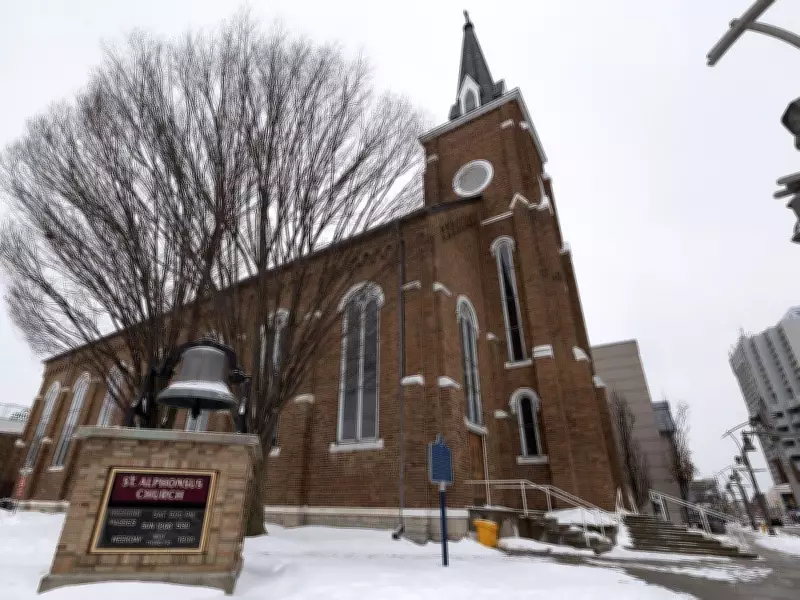
- St. Alphonsus Church in downtown Windsor
- W.C. Kennedy Collegiate Institute
Of the 185 high-priority properties, approximately 67 are residential or contain residential units, while 118 are entirely non-residential structures.
The Consequences of Inaction
The city's report warns that failure to act "carries significant consequences" and "may result in the permanent loss of heritage resources that define Windsor's unique identity." The document further states that "protecting these properties through heritage designation is essential to preserving the city's sense of place for both current and future generations."
Windsor's efforts mirror those of municipalities across Ontario that began scrambling to protect heritage-listed properties in the summer of 2023 following the legislative changes. The city plans to designate these properties in one or several batches before the year-end deadline.
Addressing Property Owner Concerns
City officials acknowledge that heritage designation can be controversial among property owners and have committed to working proactively to address concerns. "If we're trying to encourage the heritage designation of these properties, educating the property owners, and trying to mitigate any of those fears or myths around heritage designation, that's a really big component of what we're trying to do," Tang stated.
The city's development and heritage standing committee recently heard that heritage staff are working through council-approved strategies to increase protection levels from mere listing to full heritage designation for properties with the highest merit. This designation represents the strongest protection available under municipal heritage regulations.
As the 2027 deadline approaches, Windsor faces a critical test of its commitment to preserving the architectural and historical character that defines the city's identity for generations to come.