In a landmark event for cultural reconciliation, a collection of Indigenous artifacts held by the Vatican is making its journey back to Canadian soil today. This repatriation represents a critical moment in the ongoing efforts to return sacred items and ancestral remains to their rightful communities.
A Long-Awaited Homecoming
The return of these items follows years of advocacy and dialogue between Indigenous leaders, the Canadian government, and the Holy See. The artifacts, which have been part of the Vatican's ethnographic collections, hold deep spiritual, historical, and cultural significance for the First Nations from which they originated.
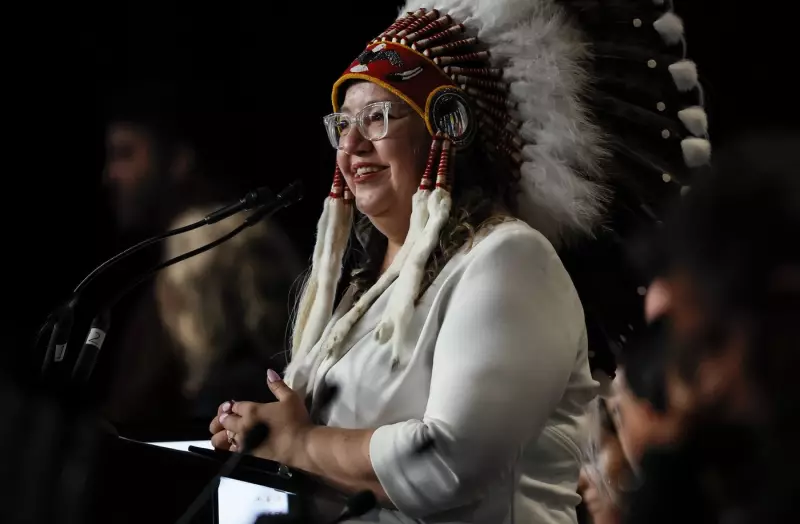
Assembly of First Nations National Chief Cindy Woodhouse Nepinak has been a vocal advocate for such returns, emphasizing the importance of these objects for healing and cultural continuity. The repatriation process is seen not just as a transfer of objects, but as a restoration of identity and a step toward addressing historical wrongs.

The Significance of Repatriation
For Indigenous communities across Canada, the return of cultural patrimony is a cornerstone of reconciliation. These artifacts are not mere museum pieces; they are living connections to ancestors, traditional knowledge, and spiritual practices. Their absence has been a painful reminder of colonial displacement and cultural suppression.
The Vatican's decision to return these items aligns with a growing global movement toward the restitution of cultural property acquired under colonial contexts. It also responds to the Truth and Reconciliation Commission's Calls to Action, which specifically urge museums and other institutions to collaborate with Indigenous peoples on the repatriation of cultural heritage.
Next Steps and Community Stewardship
Upon arrival in Canada, the artifacts will likely enter a careful process of consultation to determine their final custodianship. This will involve the relevant First Nations communities, cultural experts, and possibly federal or provincial heritage bodies. The focus will be on ensuring the items are cared for according to traditional protocols and are accessible for cultural and educational purposes within their communities.
This act of repatriation is expected to set a precedent and encourage further dialogue between Canada, Indigenous nations, and other international institutions holding Indigenous cultural materials. It underscores a shifting paradigm where the rights of Indigenous peoples to control their own cultural heritage are increasingly recognized and respected.
The return on December 06, 2025, stands as a tangible symbol of progress on the long path of reconciliation, offering hope for the return of other sacred items still held in collections around the world.