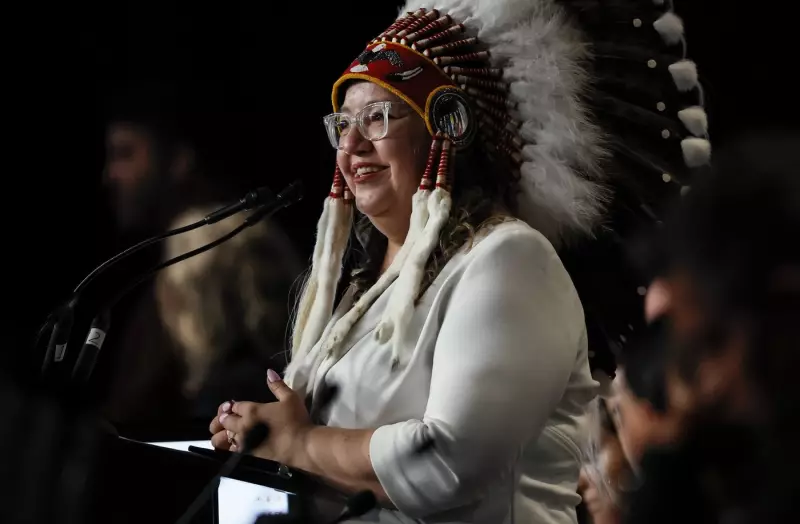
In a landmark event for cultural reconciliation, a collection of Indigenous artifacts held for decades within the Vatican's collections has officially been returned to Canada. The repatriation, which occurred on December 6, 2025, represents a significant step in restoring cultural heritage to First Nations communities.
A Journey Home After Decades Abroad
The artifacts, which had been part of the extensive holdings of the Vatican Museums, made their journey back to Canadian soil following years of dialogue and advocacy. The return process underscores a growing global movement to repatriate cultural items to their places of origin, particularly items significant to Indigenous peoples.
While the specific number and nature of the returned items were not detailed in the initial announcement, such repatriations typically involve sacred objects, ceremonial regalia, or historical items of deep cultural and spiritual importance. Their return is seen not just as a physical transfer, but as a healing act for communities whose heritage was dispersed.

Leadership and Advocacy at the Forefront
The return was highlighted by the involvement of Assembly of First Nations National Chief Cindy Woodhouse Nepinak. As a leading voice for Indigenous rights and cultural preservation in Canada, her attention to this event signals its profound national importance.
This repatriation aligns with broader efforts in Canada to address historical wrongs and support the United Nations Declaration on the Rights of Indigenous Peoples (UNDRIP), which affirms the right of Indigenous peoples to maintain, control, protect, and develop their cultural heritage.
Implications for Reconciliation and Heritage Management
The successful return of these artifacts from one of the world's most renowned institutions sets a powerful precedent. It demonstrates that persistent diplomacy and respect for Indigenous sovereignty can lead to the restoration of priceless cultural patrimony.
This event is likely to fuel further discussions and negotiations regarding other Indigenous artifacts held in museums and private collections around the world. For Canadian institutions and communities, it reinforces the critical work of cataloging, claiming, and caring for cultural belongings that have been absent for generations.
The arrival of the artifacts back on Canadian territory marks a closing of a painful chapter and the beginning of a new one, where these items can once again serve their intended cultural purposes and educate future generations about rich, enduring Indigenous traditions.