The Vatican has officially declared the recently concluded Catholic Holy Year, or Jubilee, a resounding success, announcing that it drew an estimated 33 million pilgrims to Rome. The spiritual event, which spanned much of 2025, saw faithful from across the globe participate in traditions and ceremonies aimed at renewal and forgiveness.
A Jubilee Commenced by the Pope
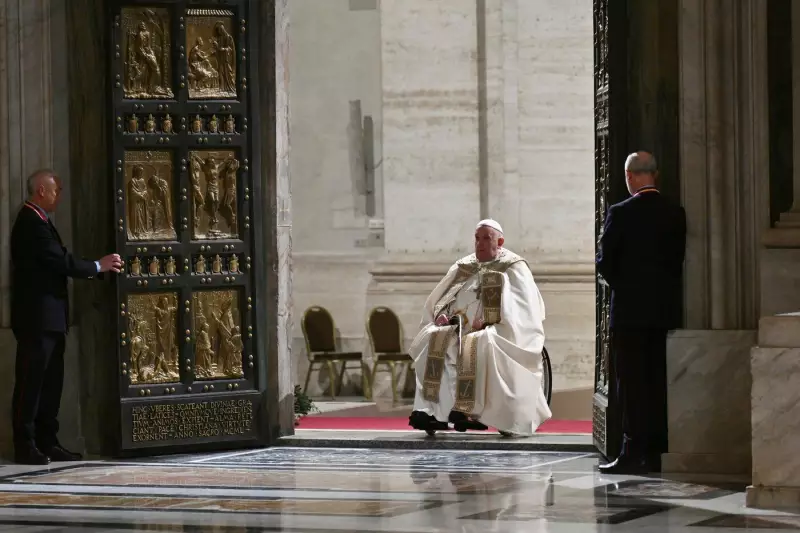
The Holy Year was inaugurated by Pope Francis on December 24, 2024, with the symbolic opening of the Holy Door at St. Peter's Basilica. This ancient ritual marks the official start of the Jubilee, inviting Catholics to embark on a pilgrimage. The 2025 event was a focal point for the global Church, emphasizing themes of hope and reconciliation promoted by Pope Francis throughout his papacy.
Record Numbers and Global Reach
The figure of 33 million visitors underscores the massive scale and enduring appeal of the Holy Year. Pilgrims traveled to the Vatican and other holy sites in Rome to pass through designated Holy Doors, a central practice of the Jubilee believed to offer spiritual grace. The influx significantly impacted the city, from its religious sites to local infrastructure and economy, highlighting the enduring draw of major Catholic traditions in the modern era.

Significance and Lasting Impact
For the Vatican, the strong attendance is a clear indicator of vibrant engagement within the worldwide Catholic community. The successful execution of such a logistically and spiritually complex event reinforces the Church's organizational role on the global stage. As the Holy Year concludes, the Vatican's announcement frames it not just as a retrospective success but as a catalyst for ongoing faith and community among millions of believers.
The reported numbers confirm that, despite contemporary challenges, large-scale religious gatherings continue to hold profound significance for a vast number of people, cementing the 2025 Jubilee as a landmark event in recent Catholic history.