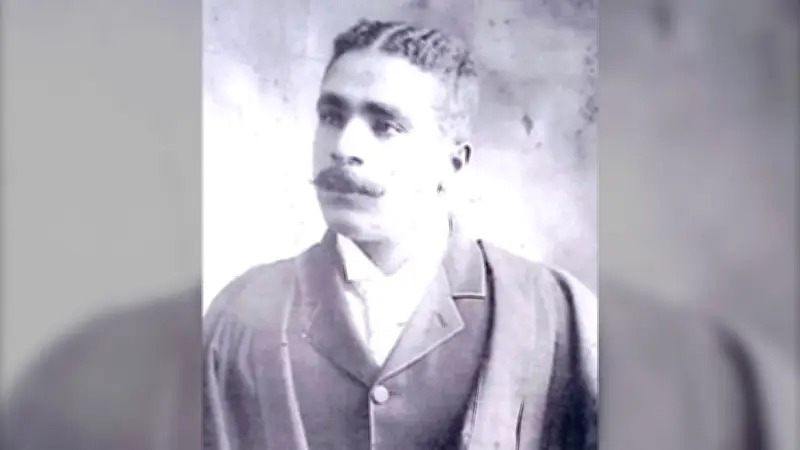
Three parts of Saskatchewan's history have received national historic designation, as announced by the federal government. Dr. Alfred Schmitz Shadd, a prominent Black physician, educator, and activist, was designated a person of national historical significance. The designation recognizes his contributions to the province and the country, particularly in the fields of medicine and civil rights.
Dr. Alfred Schmitz Shadd: A Pioneer in Medicine and Civil Rights
Dr. Shadd was born in 1870 in Ontario and moved to Saskatchewan in the early 1900s. He became one of the first Black physicians in the province and was a vocal advocate for racial equality. He also served as a school principal and was involved in local politics. His work helped shape the social fabric of Saskatchewan.
Other Historic Sites Recognized
In addition to Dr. Shadd, two other sites in Saskatchewan received national historic designation. The first is the Melfort & District Museum, which houses artifacts and records related to the region's history. The second is the Oxbow area, which was hit by a tornado in recent years but is recognized for its historical significance in agriculture and settlement patterns.

The designations were made by the Historic Sites and Monuments Board of Canada, which aims to preserve and promote Canada's heritage. These sites join a list of over 2,000 national historic sites across the country.
Impact on Local Communities
Local residents and historians have welcomed the designations, noting that they will boost tourism and education. The Melfort & District Museum, for example, expects increased visitorship and interest in its collections. The Oxbow community, still recovering from the tornado, sees the designation as a way to highlight its resilience and history.
Dr. Shadd's legacy is particularly significant for the Black community in Saskatchewan and across Canada. His efforts to break down racial barriers and improve access to healthcare and education are remembered as pioneering.
Future Plans for Preservation
The federal government has pledged support for the preservation and interpretation of these sites. Funding will be available for plaques, interpretive materials, and educational programs. The goal is to ensure that these stories are shared with future generations.
For more information on national historic designations, visit the Parks Canada website.