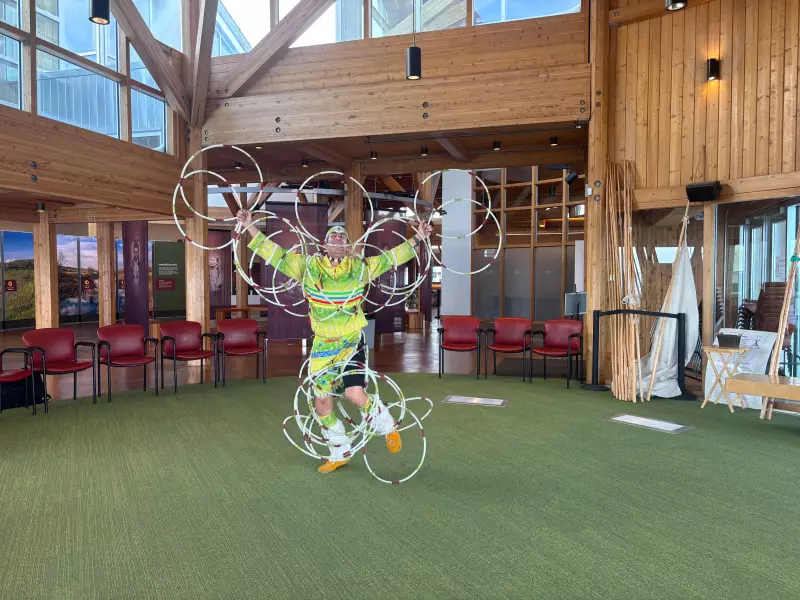
A talented hoop dancer from Saskatchewan is captivating audiences and sharing profound cultural stories through movement at Wanuskewin Heritage Park. The dancer emphasizes a deeply rooted philosophy behind the art form, stating the performance is a gift for the community.
The Art and Heart of Hoop Dancing
The featured artist uses multiple hoops to create dynamic, flowing shapes that symbolize elements of the natural world and Indigenous teachings. This traditional dance form is more than just a performance; it is a vibrant narrative tool and a celebration of heritage. The dancer's presence at Wanuskewin, a National Historic Site and gathering place for thousands of years, adds a powerful layer of authenticity and connection to the land.
The core motivation is community-oriented, as the dancer clearly expressed, "I dance for the people." This sentiment underscores the role of the artist as a cultural conduit, sharing stories, history, and spiritual concepts with both Indigenous and non-Indigenous visitors. The performances serve as an accessible and engaging form of education and cultural exchange.

Wanuskewin as a Cultural Stage
Wanuskewin Heritage Park, located near Saskatoon, provides a fitting and significant backdrop for this artistic expression. The park is dedicated to the history and culture of the Northern Plains Indigenous peoples. Featuring a hoop dancer aligns perfectly with its mission to preserve, protect, and present Indigenous culture.
The inclusion of such performances enriches the visitor experience, offering a living, breathing connection to the past and present. It transforms the park from a site of archaeological significance into a vibrant, contemporary center for cultural practice. This initiative helps ensure that traditional arts are not seen as relics but as living, evolving traditions.
Impact and Cultural Significance
The dancer's work contributes to a broader movement of cultural revitalization and public awareness. In an era of reconciliation, such public presentations of Indigenous art play a crucial role in fostering understanding and respect. They challenge stereotypes and offer a genuine insight into the depth and beauty of First Nations cultures.
For many attendees, witnessing the intricate hoop dance may be their first direct exposure to this art form, sparking curiosity and appreciation. For the Indigenous community, it represents pride, resilience, and the ongoing strength of cultural identity. The dancer's simple yet powerful statement—"I dance for the people"—encapsulates the communal and generous spirit at the heart of the practice.
Events like this at Wanuskewin highlight the importance of supporting Indigenous artists and cultural practitioners. They ensure that these vital traditions are passed on to future generations while allowing all Canadians to share in and learn from this rich cultural heritage.