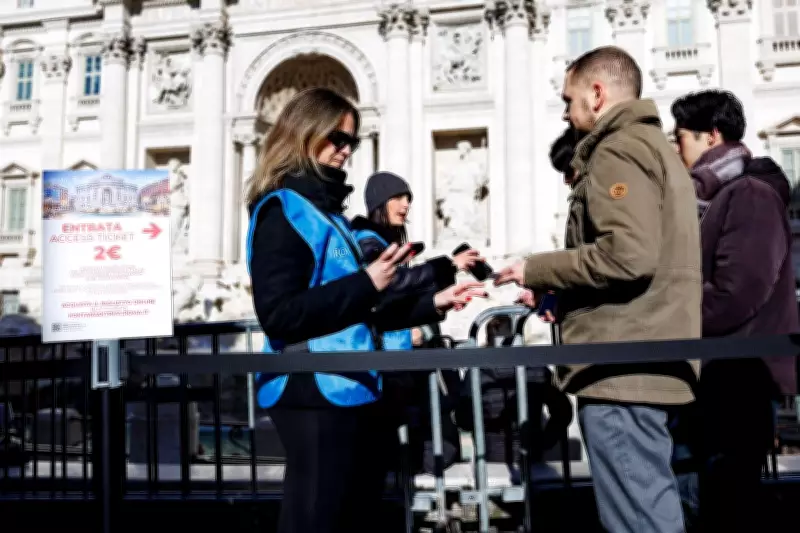
Rome Introduces Access Fee at Trevi Fountain to Curb Tourist Overcrowding
The city of Rome has taken a significant step to manage the immense tourist flow at one of its most celebrated landmarks. As of Monday, February 2, 2026, visitors to the iconic Trevi Fountain are now required to pay an access fee. This new measure represents a proactive effort by municipal authorities to address the challenges posed by overwhelming crowds at the historic water feature.
A Strategic Response to Preservation Concerns
The implementation of this fee system comes after years of deliberation about how best to protect the Trevi Fountain from the wear and tear associated with millions of annual visitors. The Baroque masterpiece, completed in 1762 and immortalized in films like "La Dolce Vita," has faced increasing pressure from mass tourism that threatens both its structural integrity and the visitor experience.
Rome's municipal government has framed the fee as a necessary tool for crowd management rather than simply a revenue generator. By controlling the number of people accessing the fountain area at any given time, officials hope to reduce congestion, minimize damage to the monument, and improve safety conditions for both tourists and residents.

How the New System Operates
The fee structure operates on a timed-entry basis, with visitors purchasing access slots through a digital booking system or on-site kiosks. This approach allows authorities to:
- Limit the number of visitors in the fountain area simultaneously
- Spread tourist traffic more evenly throughout the day
- Generate funds specifically earmarked for the fountain's maintenance and preservation
- Improve the overall quality of the visitor experience
Similar measures have been implemented at other European cultural sites facing overtourism challenges, including Venice's entry fee for day-trippers and Barcelona's restrictions on tourist numbers in certain neighborhoods.
Balancing Tourism with Preservation
The Trevi Fountain represents a complex challenge for Rome's tourism management. As one of the city's most photographed and visited attractions, it draws millions of tourists annually who come to toss coins into its waters—a tradition said to ensure a return to Rome. However, this popularity comes at a cost to the monument's preservation and the surrounding neighborhood's livability.
Local businesses near the fountain have expressed mixed reactions to the new policy. While some worry the fee might deter visitors, others welcome the potential for more organized tourism that could lead to longer stays and higher spending in the area.
The success of this initiative will likely be closely monitored by other cities grappling with similar overtourism challenges at their cultural heritage sites. As global travel continues to rebound post-pandemic, destinations worldwide are seeking innovative solutions to balance visitor access with preservation needs.