Robbie Burns Day: A Global Celebration of Scotland's National Poet
While January 25 hosts numerous designations—from National Irish Coffee Day to Observe the Weather Day—one celebration stands out for its rich cultural heritage and culinary traditions: Robbie Burns Day. This annual observance honors the birth of Robert Burns, Scotland's most beloved poet, whose legacy continues to resonate worldwide more than two centuries after his death.
The Life and Times of Robert Burns
Born in 1759 in Alloway, Scotland, Robert Burns—affectionately known as Robbie—emerged from humble beginnings that profoundly shaped his literary voice. His father worked as a tenant farmer on struggling agricultural lands, and young Burns himself labored on these farms throughout his childhood. Despite these challenging circumstances, Burns developed a remarkable talent for capturing the essence of country life and crafting pointed satires that challenged political and religious authorities of his time.
Burns published his first collection of poetry in 1786, launching a decade of prolific creativity that would cement his status as Scotland's national poet. Though his life was tragically cut short in 1796 at just 37 years old, his literary output—comprising hundreds of poems, songs, and letters—has endured through generations.

Why January 25 Became Robbie Burns Day
The origins of this annual celebration trace back to a modest gathering of approximately nine friends who convened on the fifth anniversary of Burns' passing. These admirers raised glasses in his honor, recited his poetry, and shared a traditional meal featuring haggis. Finding the occasion profoundly meaningful, they decided to reconvene annually on what would have been Burns' birthday—January 25—establishing a tradition that would gradually expand across Scotland and eventually around the globe.
Burns' Enduring Literary Legacy
Among Burns' numerous contributions to literature and music, perhaps his most universally recognized work is Auld Lang Syne, the poignant New Year's Eve anthem that has become a global standard. His ability to blend lyrical beauty with social commentary earned him such esteem that in a 2009 television series and public vote, he was named the greatest Scot of all time, surpassing even historical figures like William Wallace.
The poet's influence extends beyond terrestrial boundaries—a crater on the planet Mercury bears his name, while countless streets and communities worldwide honor his memory through their nomenclature.
The Haggis Tradition: Culinary Centerpiece of Burns Night
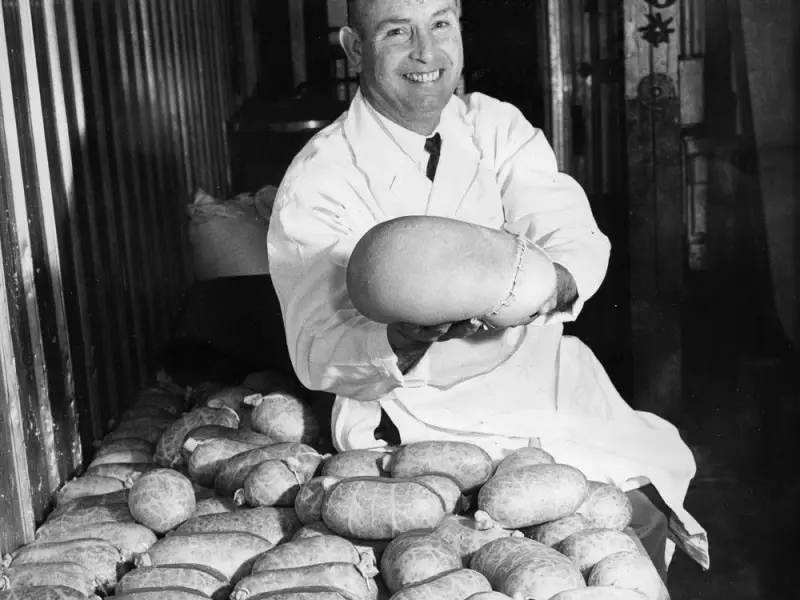
No Robbie Burns Day celebration would be complete without haggis, the savory pudding that has become synonymous with the occasion. This traditional Scottish dish consists of sheep's organs—typically the heart, liver, and lungs—combined with onion, spices, oatmeal, stock, and suet, then encased in the animal's stomach or an artificial casing before cooking.
Burns himself immortalized this humble fare in his poem Address to a Haggis, which is traditionally recited during Burns Night suppers. Originally considered a nourishing and economical meal for Scotland's poorer communities, haggis has transformed into a cultural symbol celebrated annually in honor of the poet who championed it.
A Lasting Cultural Phenomenon
From intimate gatherings in Scottish homes to grand celebrations in Canadian communities like Calgary and Fort McMurray, Robbie Burns Day has evolved into a worldwide phenomenon that transcends its origins. The day serves not merely as a tribute to a historical figure, but as a living tradition that continues to inspire new generations with Burns' celebration of common humanity, his critique of social injustice, and his enduring artistic vision.
As January 25 approaches each year, people across Canada and around the world prepare to honor Scotland's bard through poetry readings, musical performances, and shared meals—keeping alive the spirit of a poet whose work continues to speak powerfully to contemporary audiences more than two centuries after his passing.