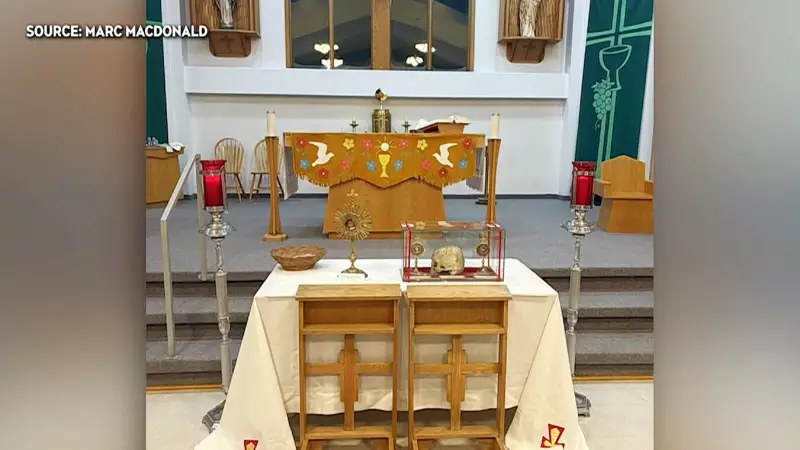
Sacred Relics Embark on Northern Ontario Pilgrimage
The spiritual landscape of northern Ontario is being enriched by a remarkable journey. The sacred relics of two significant Catholic saints, St. Kateri Tekakwitha and St. Jean de Brébeuf, have embarked on a tour across the region. This pilgrimage offers local communities a rare opportunity for veneration and reflection.
Honoring North America's First Indigenous Saint
St. Kateri Tekakwitha holds a unique place in North American religious history. Canonized in 2012, she became the first Indigenous saint from this continent. Born in 1656 in what is now New York State, she was a Mohawk-Algonquin woman who converted to Catholicism. Her life story of faith, perseverance, and devotion continues to inspire many, particularly within Indigenous communities across Canada.
The tour of her relics represents more than just a religious event. It serves as a powerful symbol of reconciliation and cultural recognition. For many Indigenous Catholics in northern Ontario, this pilgrimage provides a tangible connection to a saint who shares their heritage and understands their spiritual journey.

The Legacy of St. Jean de Brébeuf
Accompanying St. Kateri's relics are those of St. Jean de Brébeuf, a French Jesuit missionary who played a crucial role in early Canadian history. Brébeuf arrived in New France in 1625 and spent years living among the Huron-Wendat people in what is now Ontario. He learned their language, documented their customs, and worked to establish missions throughout the region.
St. Jean de Brébeuf's martyrdom in 1649 during conflicts between Indigenous nations made him one of the North American Martyrs. His dedication to his faith and his deep respect for the Indigenous peoples he served have made him an important figure in both Catholic and Canadian history. The presence of his relics alongside St. Kateri's creates a powerful narrative of early Christian witness in what would become Canada.
A Spiritual Journey Across Northern Communities
The relics tour is visiting multiple locations throughout northern Ontario, bringing this spiritual experience directly to local parishes and communities. This accessibility is particularly significant for residents of remote areas who might not otherwise have the opportunity to venerate such important religious artifacts.
The pilgrimage format allows for various expressions of devotion, including prayer services, veneration opportunities, and educational components about the lives of both saints. Community members can engage with these historical figures in a personal, meaningful way that transcends mere historical interest.
Broader Context and Significance
This relics tour occurs within a broader context of religious and cultural events across Canada. While northern Ontario focuses on this spiritual pilgrimage, other regions are dealing with various challenges and celebrations. From extreme weather conditions affecting multiple provinces to political developments and cultural events, Canada's diverse landscape continues to present a rich tapestry of experiences.
The timing of this pilgrimage during winter months adds another layer of significance. As many communities in northern Ontario face cold weather warnings and challenging conditions, the spiritual warmth and inspiration offered by this tour provide a counterpoint to the physical cold. The journey of these relics serves as a reminder of enduring faith and community resilience in the face of adversity.
This unique event represents an important moment for Catholic communities in northern Ontario, offering both spiritual enrichment and historical connection to figures who helped shape the religious landscape of early Canada.