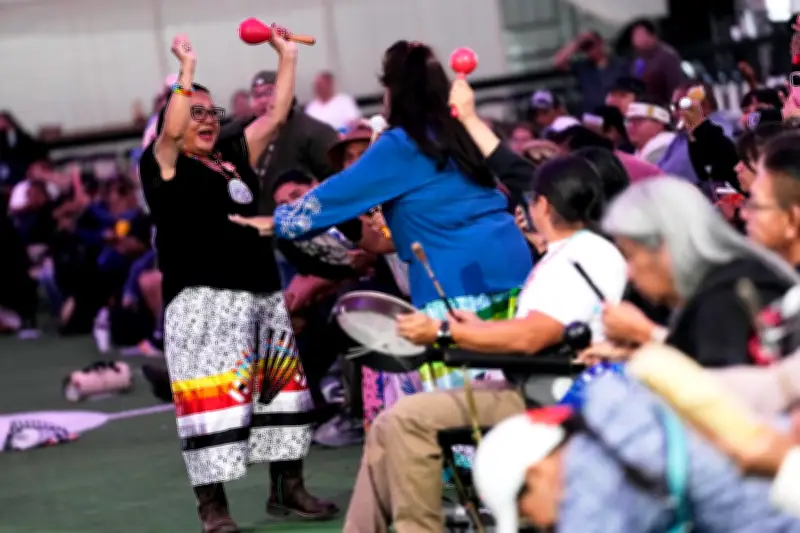
The Puyallup Tribe of Washington State and First Nations communities across Canada are using partnerships tied to the 2026 FIFA World Cup to promote Indigenous cultural awareness on a global stage. The initiative seeks to integrate traditional art, language, and history into World Cup-related events, leveraging the tournament's massive international audience.
World Cup as a Cultural Platform
According to tribal officials, the partnerships will include cultural exhibitions, youth soccer clinics, and storytelling sessions at venues in Seattle and Vancouver, two host cities for the 2026 tournament. "This is an unprecedented opportunity to share our heritage with millions of visitors," said a Puyallup Tribe spokesperson. The collaborations aim to counter stereotypes and highlight the resilience of Indigenous peoples.
In Canada, First Nations leaders have secured agreements to feature Indigenous artists and performers during match-day festivities. The Assembly of First Nations estimates that over 200,000 Indigenous people live in the Vancouver area, making the city a key hub for cultural exchange. "Our stories have been overlooked for too long; the World Cup gives us a platform to correct that," stated a First Nations elder involved in the planning.

Economic and Social Impact
The partnerships also carry economic benefits. The Puyallup Tribe expects to generate $5 million in revenue from merchandise sales and tourism tied to World Cup events. Similarly, First Nations businesses in British Columbia anticipate a 30% increase in sales during the tournament period. Beyond economics, the initiative aims to foster reconciliation. "Sport can bridge divides," said a Canadian government official. "By centering Indigenous voices, we move closer to truth and reconciliation."
Critics, however, worry about tokenism. "We must ensure this is not just a performative gesture," cautioned a cultural consultant. Organizers counter that long-term commitments, including educational programs in schools, will sustain awareness beyond 2026.
Global Reach and Legacy
The World Cup is expected to draw 5 million visitors to North America, with matches in Seattle and Vancouver alone attracting over 1 million fans. Organizers are developing a mobile app featuring Indigenous language lessons and historical facts about the land. "Every time a fan checks the schedule, they'll see a piece of our culture," explained a tech developer involved.
The legacy of these partnerships will be measured by their impact on Indigenous youth. "When a child sees their culture celebrated on a world stage, it changes how they see themselves," said a youth program coordinator. The Puyallup Tribe and First Nations hope the World Cup serves as a catalyst for ongoing cultural pride and understanding.