The remarkable journey of two World War I amputees who walked across Canada has remained one of the nation's most overlooked historical achievements for decades. George Hincks and Marshall McDougall, both having lost limbs during the Great War, embarked on an extraordinary cross-country trek in 1923 that demonstrated incredible resilience and determination.
The Unforgettable Journey Begins
George Hincks and Marshall McDougall started their ambitious walk across Canada during the spring of 1923. Both men had suffered life-altering injuries during their military service in the First World War, yet they refused to let their physical limitations define their capabilities. Their journey represented more than just physical endurance—it stood as a powerful statement about the potential of disabled veterans.
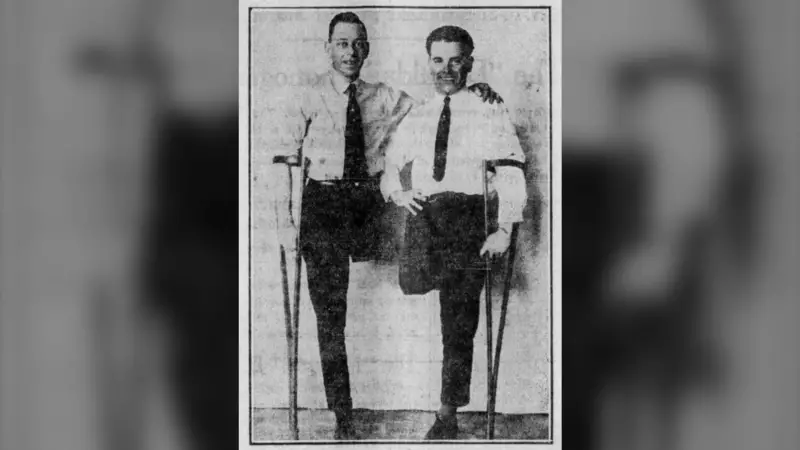
Historical records show the pair reached Calgary on April 21, 1923, where their progress was documented by the Calgary Daily Herald. The photograph capturing their arrival in Calgary provides tangible evidence of their incredible undertaking, showing two determined men continuing forward despite their prosthetic limbs.

Overcoming Physical and Social Barriers
What makes Hincks and McDougall's accomplishment particularly significant is the era in which it occurred. In the 1920s, accessibility infrastructure was virtually non-existent, and societal attitudes toward people with disabilities were often limiting. The men's journey challenged prevailing assumptions about what amputees could achieve.
The cross-Canada walk required navigating rough terrain, unpredictable weather conditions, and limited support systems. Their persistence through these challenges served as an inspiration to other veterans adjusting to life after serious war injuries. The journey also brought public attention to the ongoing needs and capabilities of returning soldiers.
A Legacy Finally Receiving Recognition
For nearly a century, the story of Hincks and McDougall's cross-Canada walk remained largely unknown to most Canadians. The recent attention to their achievement represents a growing effort to acknowledge overlooked aspects of Canadian military and disability history.
Their journey stands as a testament to human resilience and the power of determination. As we continue to rediscover such hidden chapters of our past, we gain a more complete understanding of the diverse experiences that have shaped our nation. The story of these two veterans serves as an important reminder that history is filled with extraordinary ordinary people whose achievements deserve recognition.