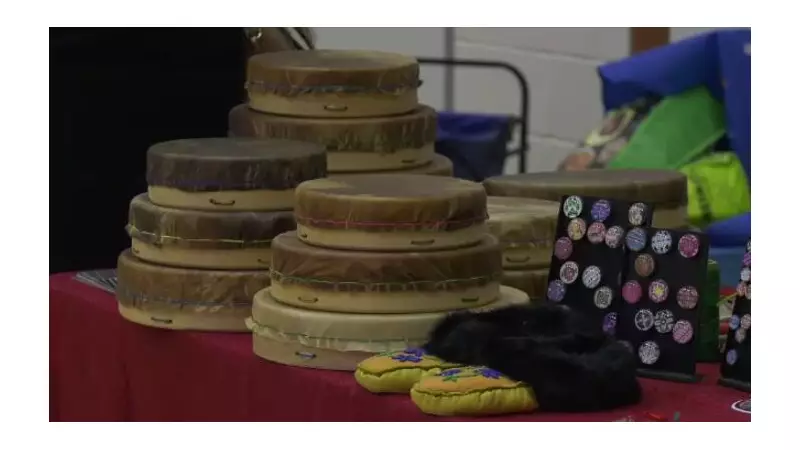
A significant new partnership has been established to oversee the repatriation of culturally important Anishinaabe artifacts. This collaborative effort marks a pivotal moment in returning sacred items to their communities of origin, addressing a historical legacy of displacement.
The Details of the Repatriation Agreement
The partnership, announced on December 04, 2025, involves key stakeholders committed to the ethical return of these objects. While the specific institutions or private collections holding the artifacts were not named in the initial report by Cheryl Browne, the formation of this formal agreement is a critical procedural step. Repatriation processes are often complex, requiring meticulous documentation, provenance research, and respectful dialogue between all parties.
Significance for Anishinaabe Communities
The return of these artifacts is far more than a physical transaction. For Anishinaabe communities, these items are often sacred, carrying deep spiritual, historical, and cultural significance. They can be integral to ceremonies, teachings, and the preservation of language and identity. Their absence represents a tangible loss of heritage and a break in cultural continuity. This repatriation effort is seen as a vital act of healing and reconciliation, allowing communities to reclaim and reconnect with essential pieces of their history.

A Step Forward in Broader Reconciliation
This initiative aligns with a growing national and international movement toward the repatriation of Indigenous cultural property. It reflects a shifting paradigm in museum ethics and cultural stewardship, recognizing the rights of Indigenous peoples to control their own cultural heritage. The success of this partnership could serve as a model for similar future endeavors across Canada, encouraging other institutions to review their collections and engage in respectful repatriation processes. The move is widely viewed as a concrete action supporting the broader goals of truth and reconciliation.
The repatriation of Anishinaabe artifacts through this new partnership stands as a testament to the power of collaboration and respect. It underscores a commitment to righting historical wrongs and empowers Indigenous communities to steward their own cultural narratives for generations to come.