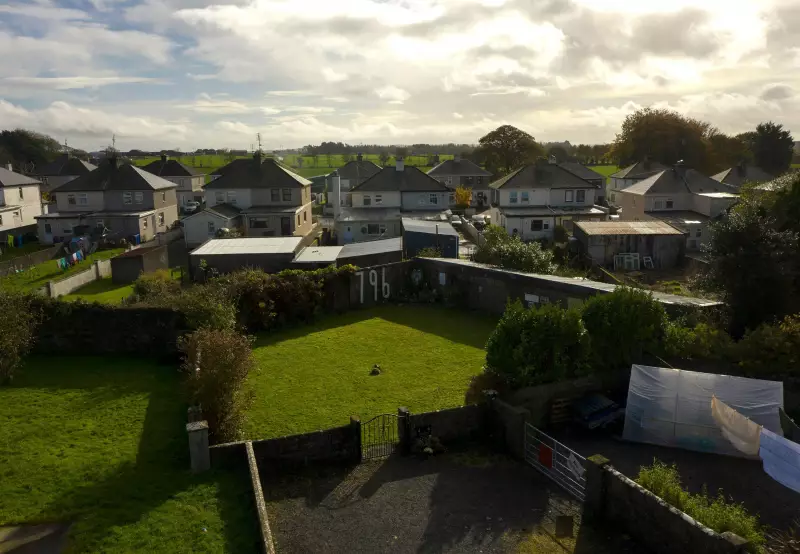
Archaeologists working at the site of the former Tuam Mother and Baby home in County Galway, Ireland, have made a grim new discovery. A previously unknown infant burial site has been uncovered as part of the ongoing forensic excavation of the location.
Details of the Discovery
The discovery was announced in early December 2025. The excavation, which began in earnest in 2024, is a state-led effort to recover, identify, and respectfully re-inter the remains of children who died at the institution. The home operated from 1925 to 1961, run by the Bon Secours Sisters, and housed unmarried pregnant women and their children.
This new site adds to the horrific tally of infant and child deaths at the institution. Initial reports of a mass grave at the site first emerged in 2014, when local historian Catherine Corless uncovered records for 798 children who died at the home but had no burial records. The current forensic investigation was launched to address these historical wrongs and provide answers to surviving families.

The Ongoing Forensic Investigation
The excavation is a meticulous, multi-phase process led by a team of forensic archaeologists and anthropologists. Their work involves carefully sifting through soil and structural remains on the grounds of the former home. The goal is not only to recover remains but also to gather any possible DNA evidence that could lead to identification.
This process is emotionally charged and closely watched by survivor groups and the Irish public. It represents a formal state acknowledgment of a scandal that lay hidden for decades. The discovery of a new burial site underscores the scale of the tragedy and the importance of the continued investigative work.
Historical Context and Legacy
The Tuam Mother and Baby home was part of a network of such institutions across Ireland. A state-commissioned report in 2021 found that an estimated 9,000 children died in 18 such homes during a 76-year period, a mortality rate far above the national average. The report described a "dark, difficult and shameful chapter" in Irish history.
The discovery reinforces the urgent need for a full accounting of what happened to vulnerable women and children in these state-sanctioned institutions. For survivors and relatives, each finding is a painful but necessary step toward truth and, ultimately, some form of closure. The Irish government has committed to a dignified re-interment of all remains recovered from the site.
The work at Tuam continues, with this latest discovery serving as a somber reminder of the work yet to be done to fully confront this painful part of Ireland's past.