Montreal Vigil Commemorates Ninth Anniversary of Quebec City Mosque Shooting
Salam El Mousawi, a co-founder of Muslim Awareness Week, vividly recalls the tense moments following the tragic shooting at the Quebec Islamic Cultural Centre nine years ago. "We lost six lives. We don't forget," El Mousawi stated solemnly during a recent interview, reflecting on the January 29, 2017 attack that claimed six Muslim men during evening prayers.
Community Gathers in Remembrance
On Thursday afternoon, approximately a dozen community members, advocates, and elected officials gathered at Parc metro station in Montreal for a public vigil marking the ninth anniversary of the deadly shooting. Attendees laid flowers, observed a minute of silence, and listened to speakers recount the violence that unfolded at the Islamic Cultural Centre of Quebec City in the Ste-Foy neighbourhood.
The victims remembered during the ceremony were:

- Ibrahima Barry
- Mamadou Tanou Barry
- Khaled Belkacemi
- Aboubaker Thabti
- Abdelkrim Hassane
- Azzeddine Soufiane
Several other worshippers sustained injuries in the attack, which left behind grieving widows and orphans within the Muslim community.
Heightened Security and Community Response
El Mousawi described receiving a phone call from a Montreal police commander immediately after the shooting, reassuring him that Montreal mosques and community centres had received additional security reinforcement. The following day, members of the Muslim community gathered at Montreal City Hall alongside the mayor, demonstrating solidarity in the face of tragedy.
"The situation was really tense and sad," El Mousawi recalled, emphasizing how the community initially hoped the tragedy might prompt broader societal reckoning with Islamophobia. Instead, he noted that recent provincial legislation has deepened divisions and left many Muslims feeling particularly targeted.
Political Context and Legislative Concerns
Speakers at the vigil connected the act of remembrance to growing frustration over Quebec's political direction. El Mousawi specifically criticized recent provincial bills, stating: "These laws don't help. They ignite the situation ... the result is more division, and a more tense situation."
The legislation referenced includes:
- Bill 9: Tabled in November, this legislation aims to reinforce secularism by restricting public prayers in parks and public institutions while extending bans on religious symbols to workers in subsidized daycares.
- Bill 94: This earlier measure broadened restrictions on religious symbols in schools.
- Bill 21: Passed in 2019, this controversial law bars certain public employees—including teachers—from wearing religious symbols at work.
El Mousawi urged Premier François Legault and Quebec's political leaders to "open a new page" and refocus on shared concerns such as housing, education, and health care. "These are real issues we should all be facing—Muslims and non-Muslims, believers and non-believers," he emphasized.
Personal Accounts and Emotional Testimonies
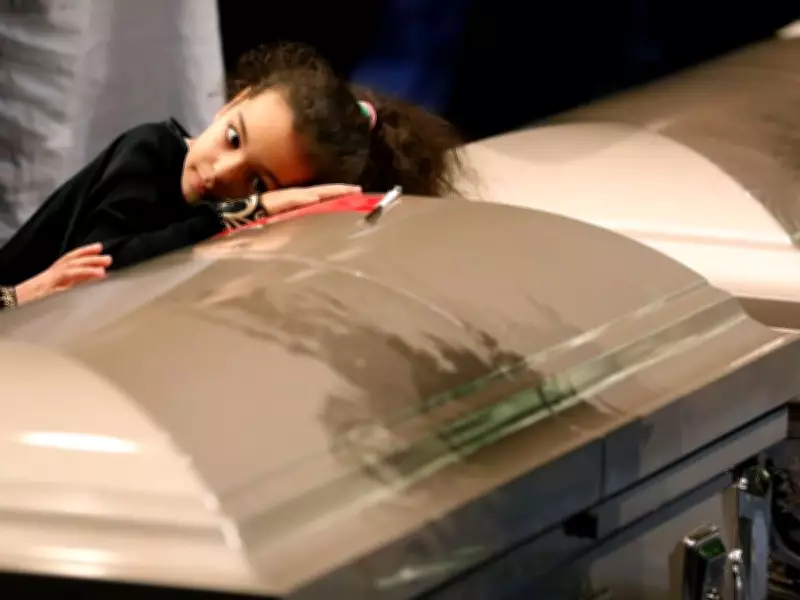
Mohammed Hashim, chief executive of the Canadian Race Relations Foundation, delivered a powerful address at the vigil. He recounted the harrowing aftermath of the attack, including the experience of a six-year-old girl who had been playing quietly in the mosque moments before the shooting began.
"When the gunman came into the mosque, he started shooting," Hashim described. "And the men at the back of the mosque jumped on top to shield her from the bullets. This young girl saw her own father be shot."
Hashim visited the mosque the morning after the attack, witnessing footprints stained with blood. Yet he also recalled the remarkable wave of compassion that followed—vigils, messages of support, and crowds standing shoulder to shoulder in grief. "It was incredible," he remembered.
Reflecting on current political developments, Hashim expressed dismay: "I look at the politics of what things are today. And it's hard to comprehend how, from a place of care and kindness, that people have now turned that into policies that are vilifying all of you."

Official Responses and Calls for Unity
Premier François Legault marked the anniversary with a social media post, calling the attack an "unjustifiable act of violence" that left a lasting mark on Quebec's history. He stated: "I remember the many gestures of solidarity shown across Quebec in the days that followed, which bear witness to the values of respect and solidarity that unite us."
Legault continued: "Quebec is a peaceful nation that firmly opposes all forms of hatred and intolerance. This day is a duty of remembrance, so that such acts may never happen again."
Despite these official statements, community leaders like El Mousawi and Hashim emphasized the need for concrete actions that promote inclusion rather than division. The vigil served not only as a memorial for the victims but also as a platform for expressing concerns about the current social and political climate affecting Muslim communities across Quebec.
As Montreal commemorated this solemn anniversary, the gathering highlighted ongoing tensions between remembrance of past tragedy and concerns about present-day policies affecting religious minorities in the province.