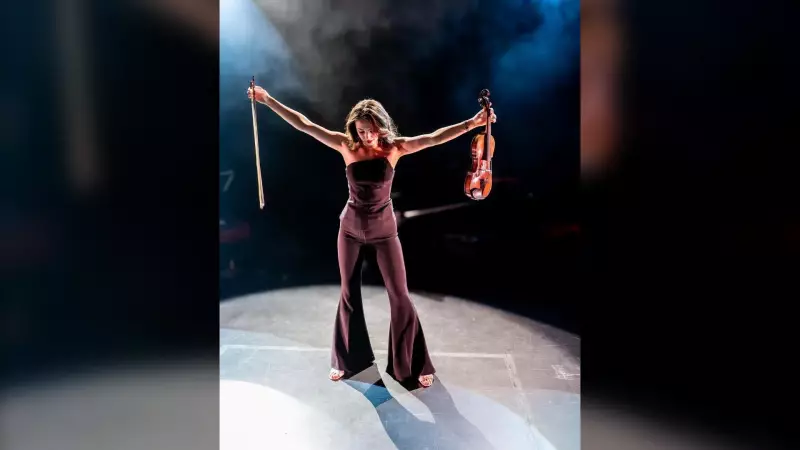
A new voice is rising from the heart of Cape Breton's rich musical landscape, carrying its timeless traditions forward. Mary Frances Leahy, the daughter of acclaimed Canadian fiddle player Natalie MacMaster, is stepping into the spotlight, captivating audiences and introducing the island's distinctive Celtic sound to a new generation of listeners.
A Musical Heritage in the Blood
Born into a family where music is as fundamental as language, Mary Frances Leahy's path seemed almost preordained. Her mother, Natalie MacMaster, is a Juno Award-winning icon whose dynamic fiddle playing has defined Cape Breton music for decades on the global stage. Growing up surrounded by rehearsals, ceilidhs, and the unmistakable drive of Celtic reels and jigs, Leahy absorbed the tradition organically. However, she is not merely replicating her mother's legacy; she is interpreting it through her own contemporary lens, blending deep respect for the source material with her personal artistic identity.
Her journey into the public eye has been marked by performances that showcase both technical prowess and genuine emotional connection to the music. Through social media platforms and live appearances, she demonstrates the intricate bow work and pulsing rhythms characteristic of the Cape Breton style, while also engaging directly with a demographic that might not have otherwise sought out traditional folk music.

Bridging Generations Through Social Media and Performance
A key element of Leahy's approach involves leveraging modern tools to share an ancient art form. By posting performance clips and behind-the-scenes content on platforms like Instagram (where she appears as @musicmaryfrances), she makes the music accessible and relatable. This digital presence allows her to explain the history behind tunes, discuss technique, and connect with fans in real-time, effectively demystifying the tradition and inviting newcomers in.
This strategy is proving successful in building a diverse fanbase. Younger viewers, accustomed to fast-paced digital content, are drawn to the energy and skill displayed in her videos. Simultaneously, long-time enthusiasts of Cape Breton music appreciate her authentic adherence to the style's core elements. She acts as a cultural bridge, ensuring the vibrant fiddle tradition does not remain static in history books but continues as a living, evolving art.
The Future of a Living Tradition
The emergence of Mary Frances Leahy represents more than just a new performer on the scene; it signifies the healthy transmission of cultural knowledge. In an era where globalized pop culture often dominates, her work underscores the importance of regional artistic expressions. She is part of a continuum, learning from the masters—including her mother and the wider community of Cape Breton musicians—and now adding her own chapter to the story.
Her efforts contribute to the sustainability of Cape Breton's cultural economy and identity. By attracting fresh attention to the music, she helps support local festivals, music schools, and the community of artisans who craft the instruments. Mary Frances Leahy's story is one of heritage and innovation, demonstrating that traditional music can thrive by embracing new ambassadors and new platforms without sacrificing its soul.
As she continues to perform and record, the music world watches with interest. The daughter of Natalie MacMaster is not riding on coattails but is proudly carrying the torch, ensuring that the powerful, joyful sound of the Cape Breton fiddle resonates for many generations to come.