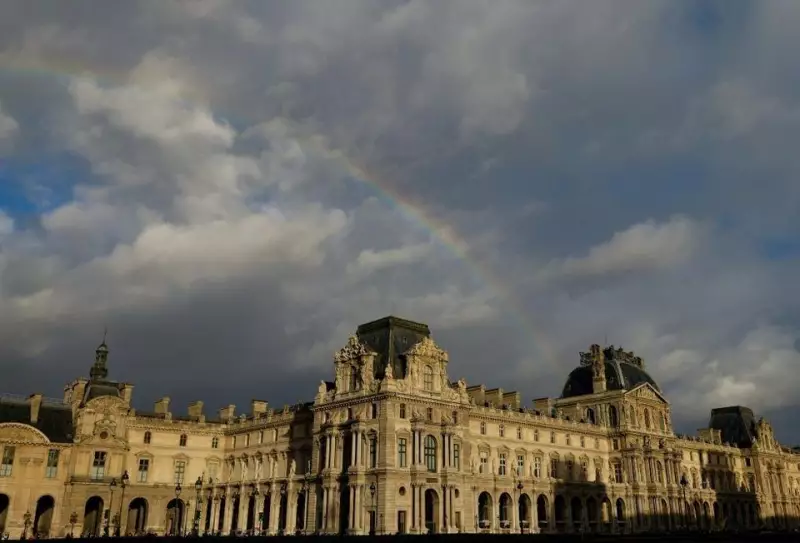
Just weeks after a multi-million dollar jewel heist, the Louvre Museum in Paris has faced another significant incident. A water leak in late November damaged several hundred works within the museum's renowned Egyptian department, officials confirmed.
Details of the Incident and Damage Assessment
The leak was discovered on November 26 and affected an estimated 300 to 400 works. According to Francis Steinbock, the museum's deputy administrator, the damaged items consist of "Egyptology journals" and "scientific documentation" primarily used by researchers. He emphasized that these materials, dating from the late 19th and early 20th centuries, are "extremely useful" but "by no means unique."
In a statement to AFP, Steinbock provided crucial reassurance: "No heritage artifacts have been affected by this damage." He further stated that, "at this stage, we have no irreparable and definitive losses in these collections." The plan for recovery involves drying the documents, sending them to a bookbinder for restoration, and eventually returning them to the shelves.

Cause and Context: A Museum Under Scrutiny
An internal investigation has been launched into the cause of the leak. The museum revealed it was triggered by the accidental opening of a valve in the heating and ventilation system. This caused water to seep through the ceiling of the Mollien wing, where the documents were stored. Officials described the system as "completely obsolete"; it has been shut down for months and is scheduled for replacement starting in September 2026.
This incident follows closely on the heels of a brazen October heist, where a four-person gang stole jewellery valued at an estimated $102 million from the museum in broad daylight. That event, which saw the thieves escape on scooters after a seven-minute operation, had already sparked intense debate over the security and aging infrastructure of the world's most-visited museum.
Financial Pressures and Future Plans
In response to these challenges, the Louvre has announced financial measures aimed at funding necessary improvements. In late November, the museum stated it would raise ticket prices for most non-EU visitors. Tourists from countries including the United States, Britain, and China will now pay 32 euros (approximately US$37) for entry, a 45-percent increase.
The museum told AFP this price hike is intended to boost annual revenues by up to $23 million, funds that will be directed toward structural upgrades. The Louvre welcomed 8.7 million visitors in 2024, with 69 percent coming from abroad, underscoring its global appeal and the scale of its operational demands.
While the recent water leak did not result in the loss of priceless artifacts, it highlights the ongoing vulnerabilities faced by major cultural institutions. The consecutive incidents of theft and infrastructure failure have placed the Louvre's management and maintenance protocols under a glaring spotlight.